Skip to content
LEDWindow
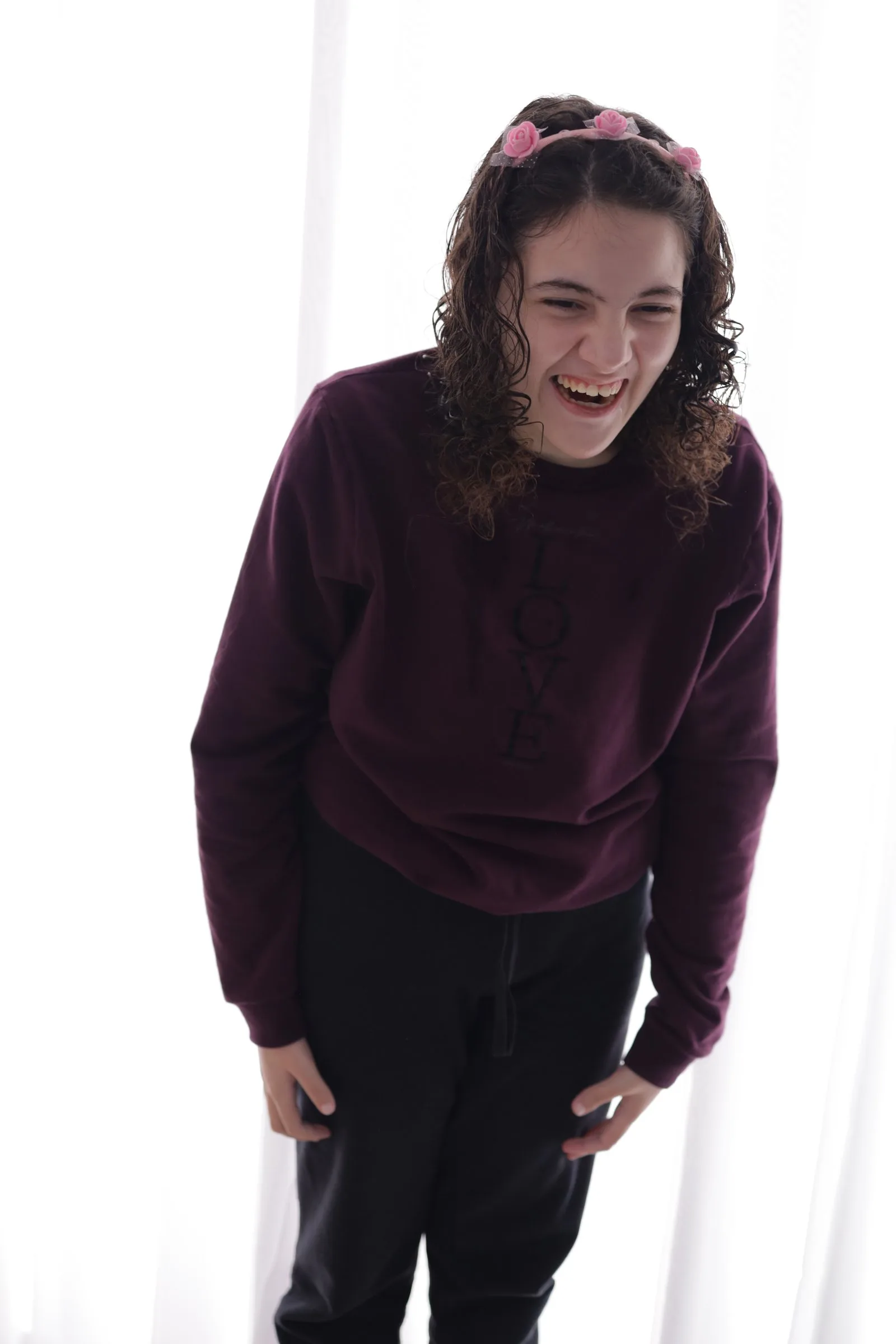
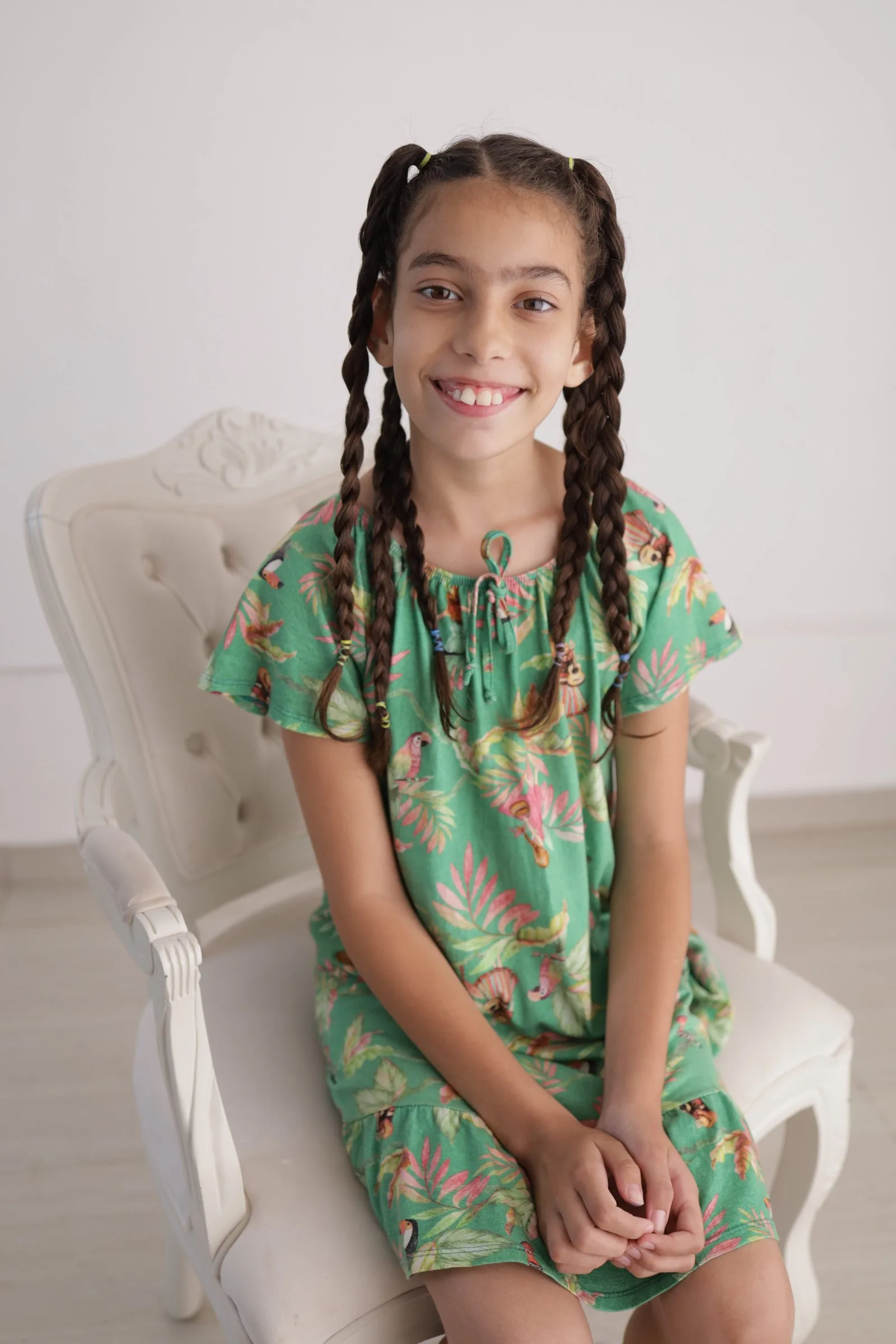
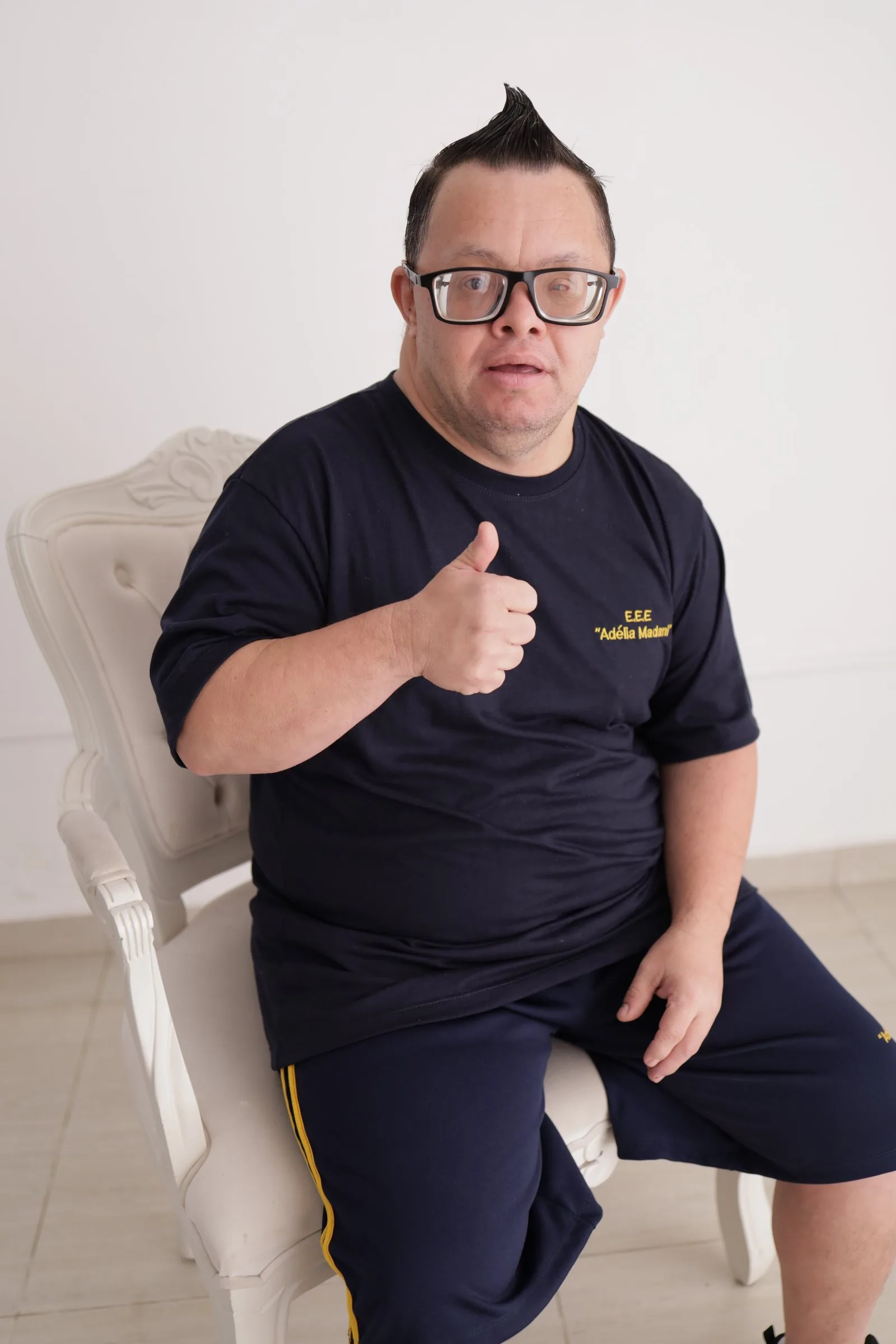
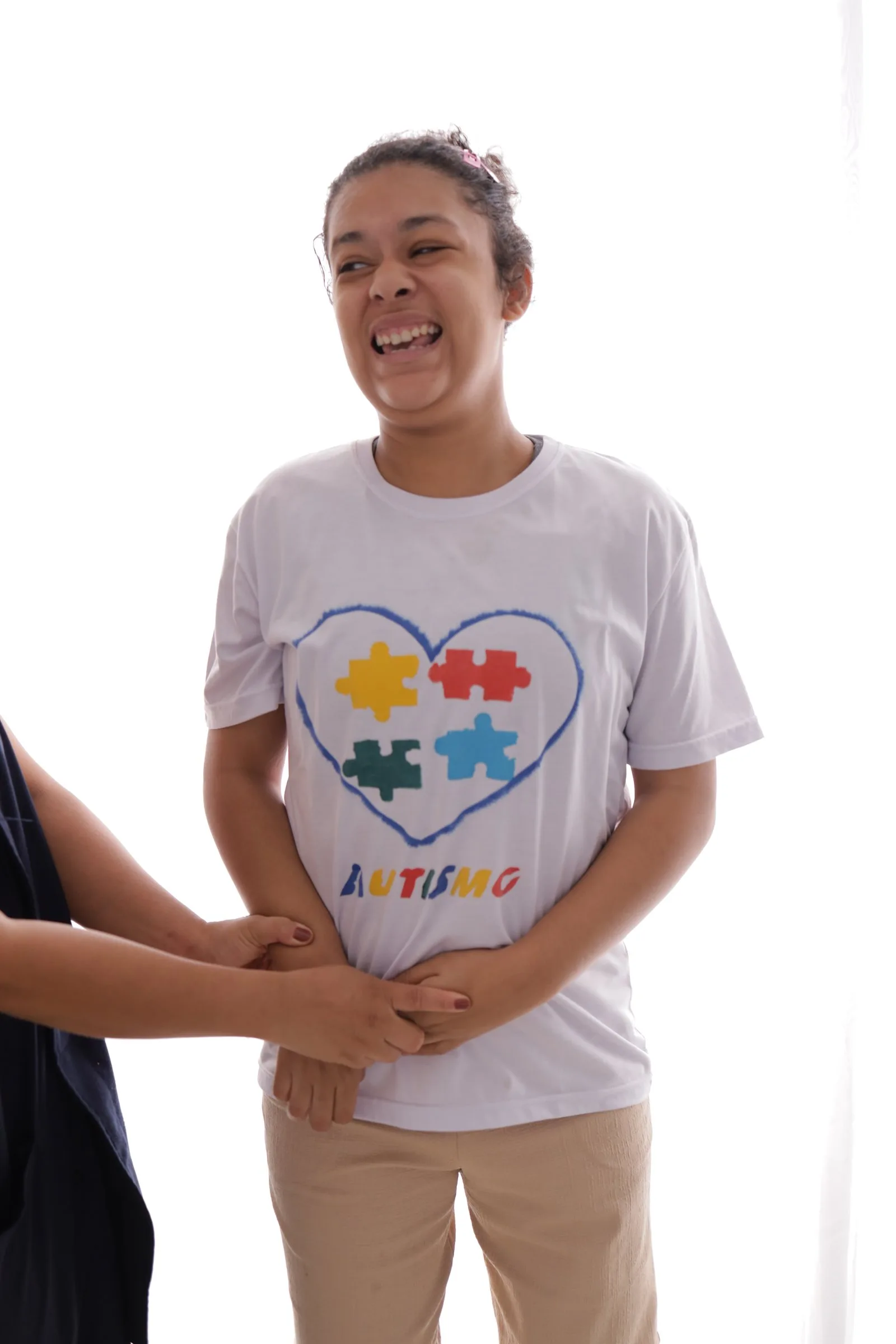
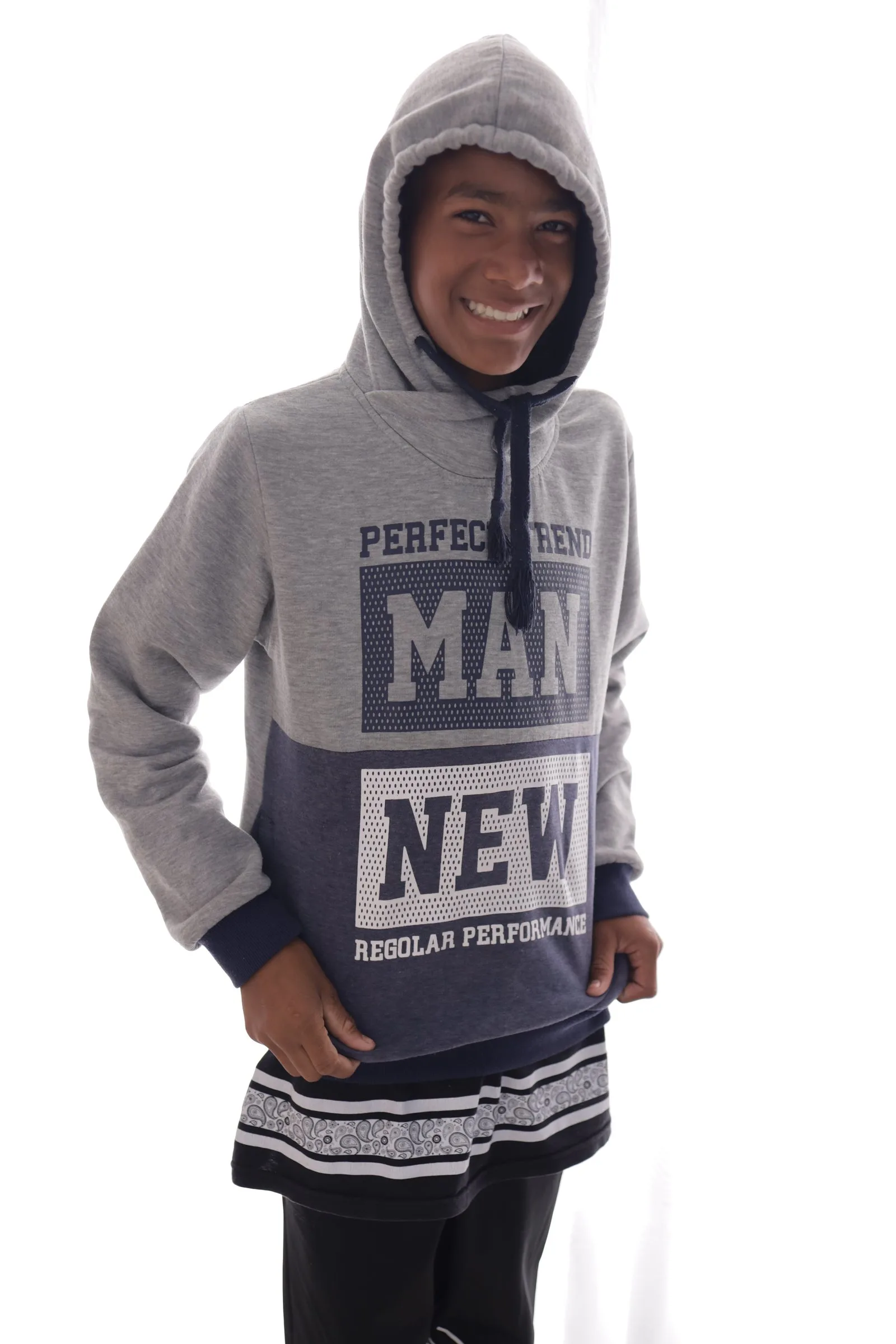
Photo with LEDWindow light · @estudio_lumie

Social project: Welcoming Light

We brought welcoming light to two APAEs

Free portrait days at two APAEs, Brazilian associations that support people with intellectual and multiple disabilities, with LEDWindow continuous light and photography by Jeniffer Silvério. Our story, and a respectful guide to photographing neurodivergent people and people with disabilities.

Photo: @estudio_lumie

2
APAEs: Itupeva and Cabreúva
484
photos from one day in Itupeva
0
flashes in those 484 photos
10
years of light for newborns

Our story with the APAEs

It began as Ana Lúcia's dream

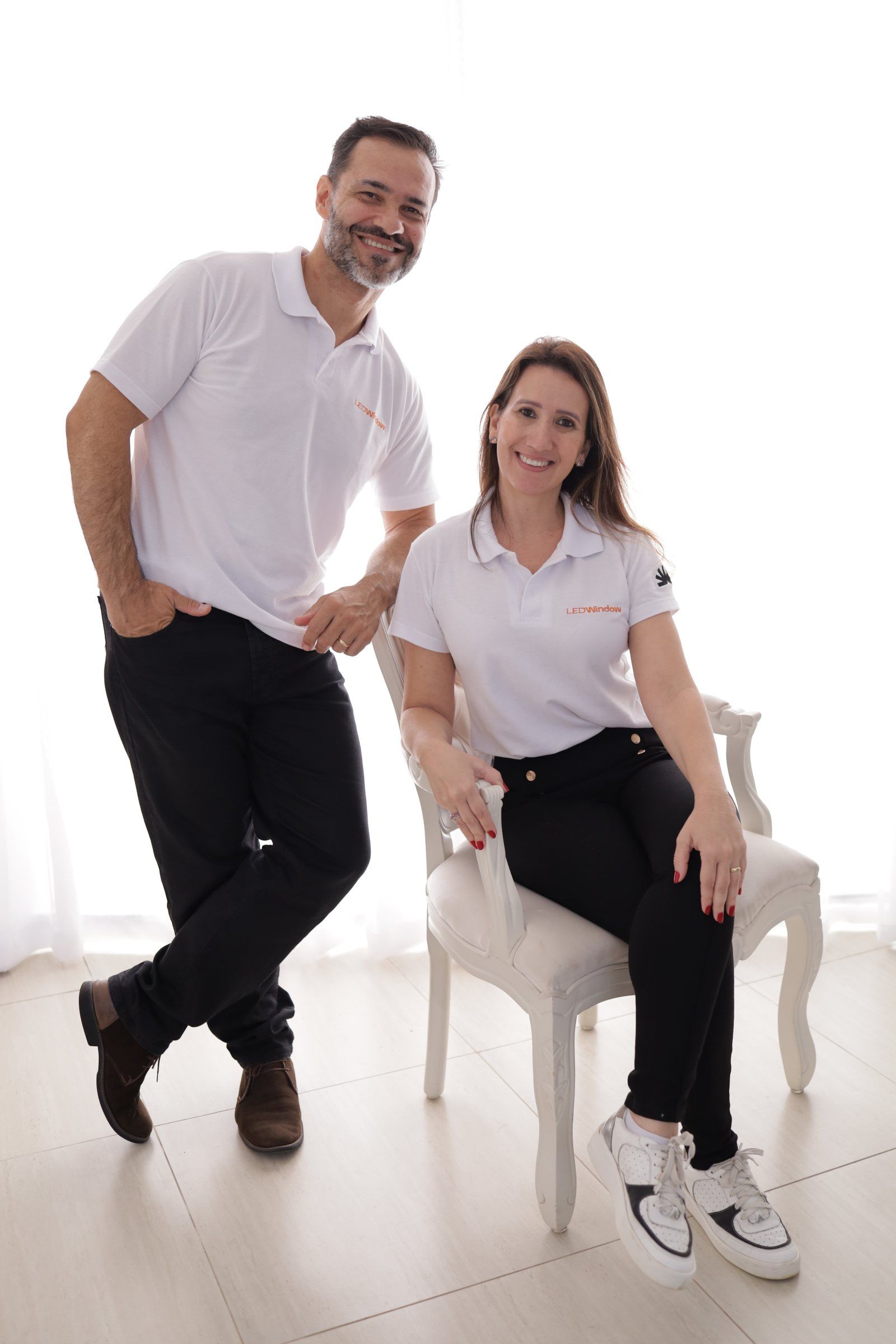
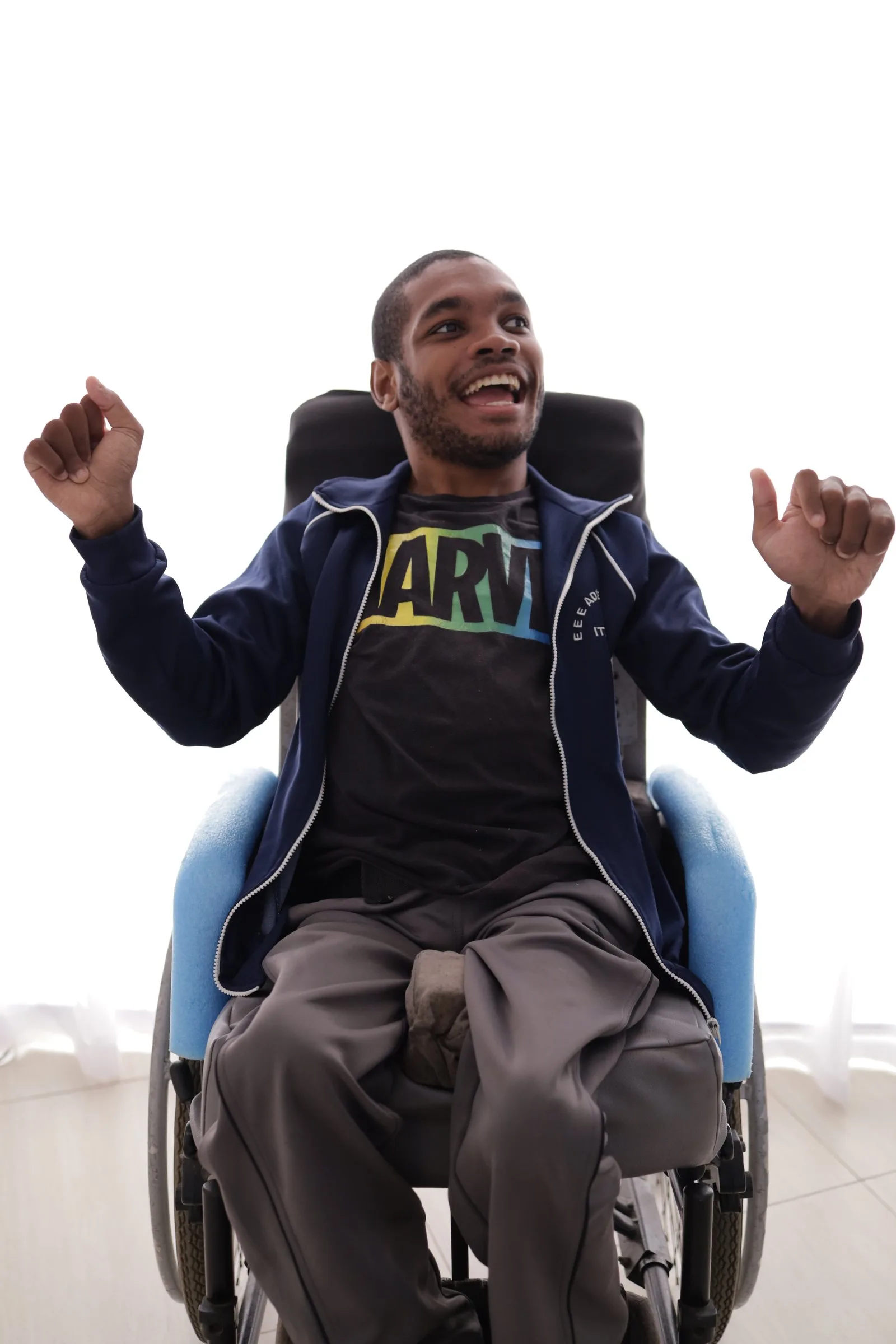
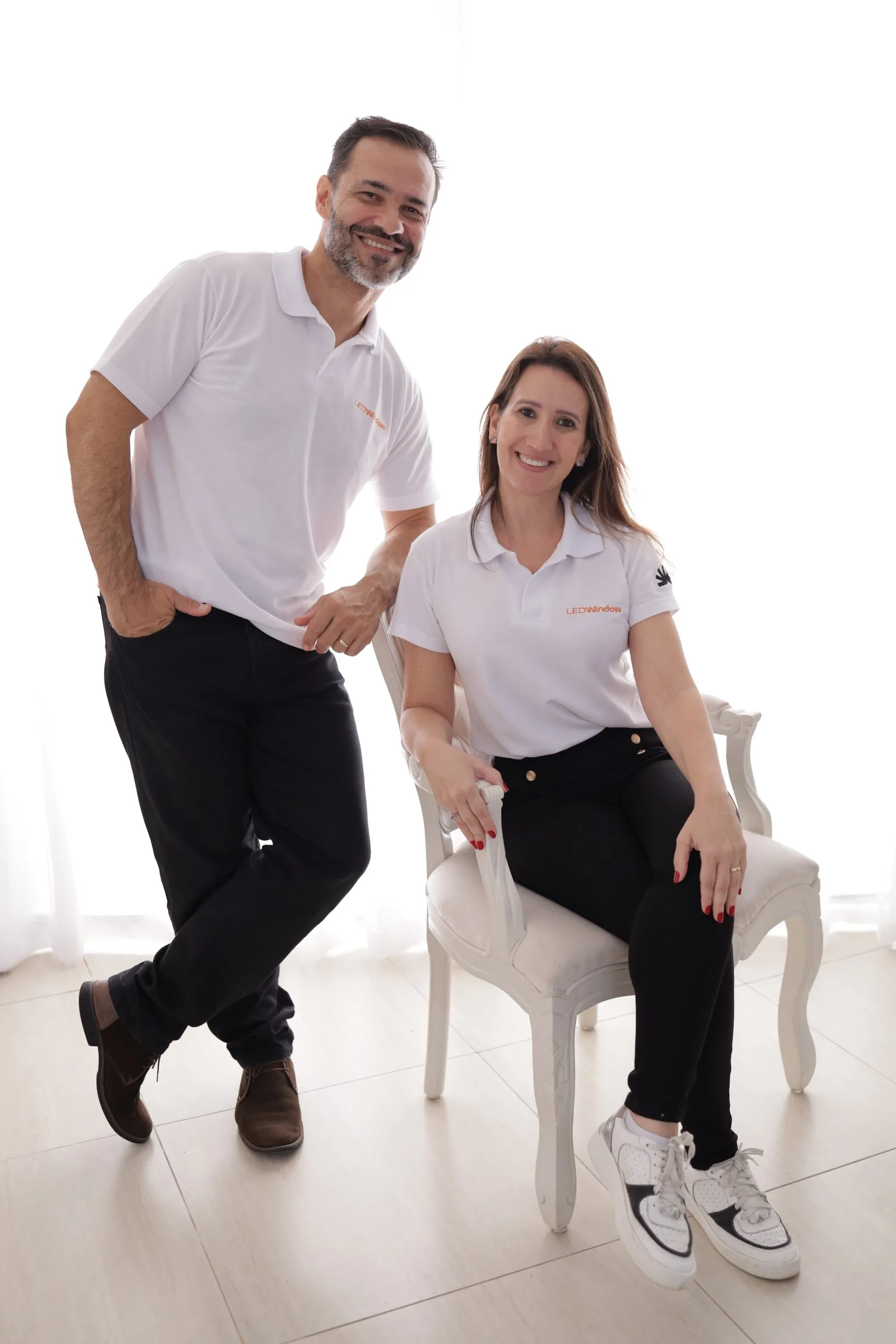
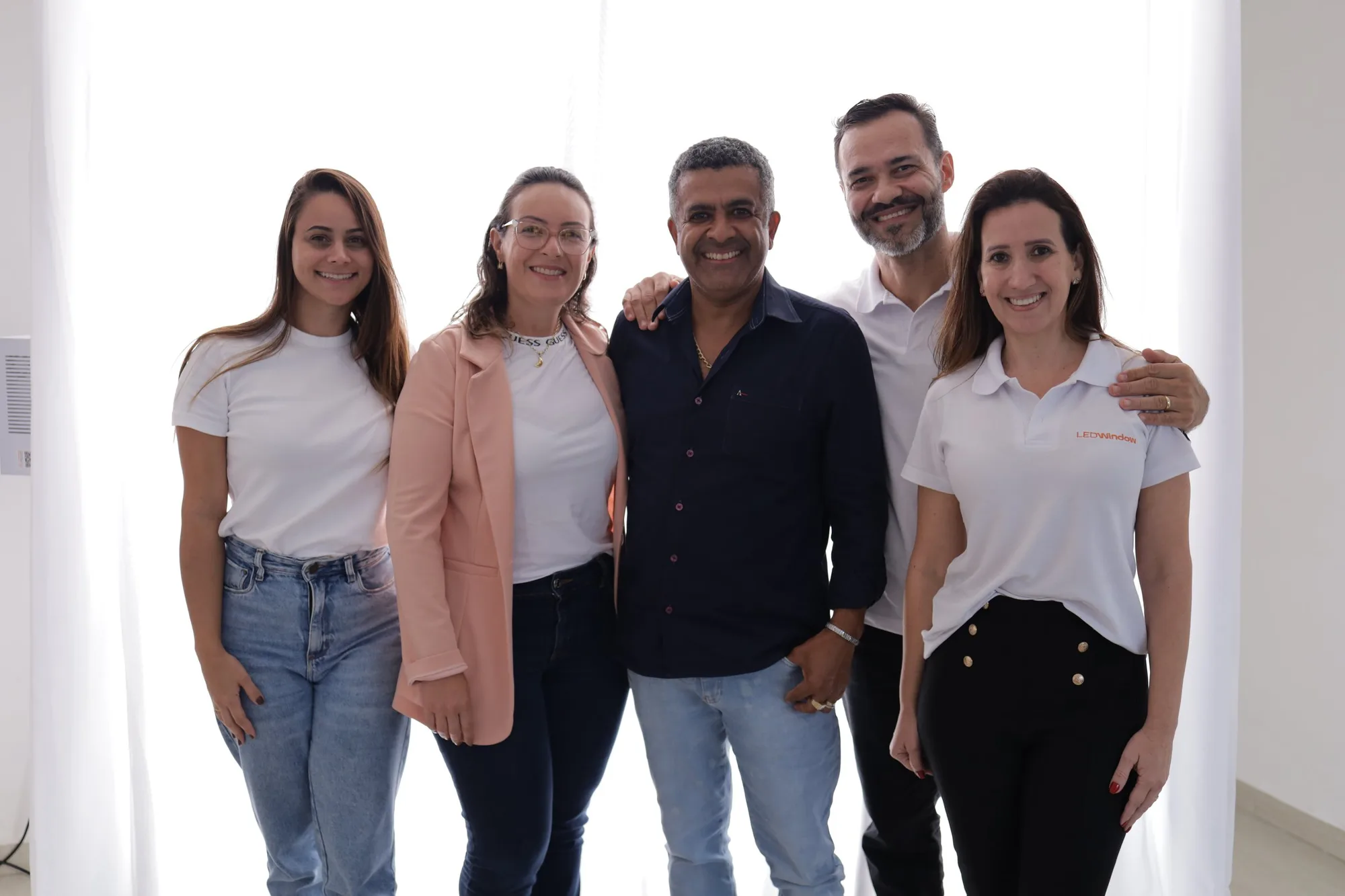
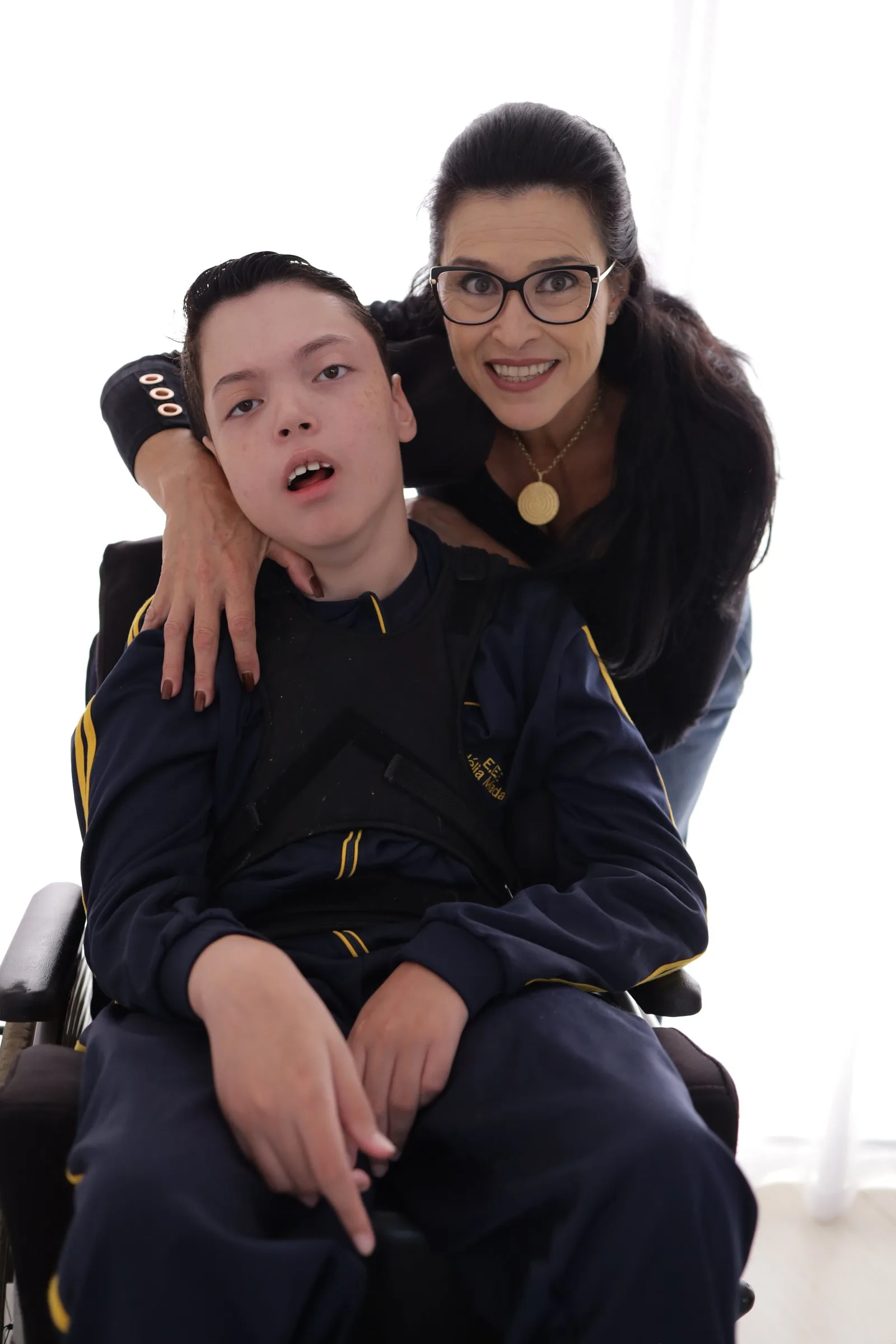
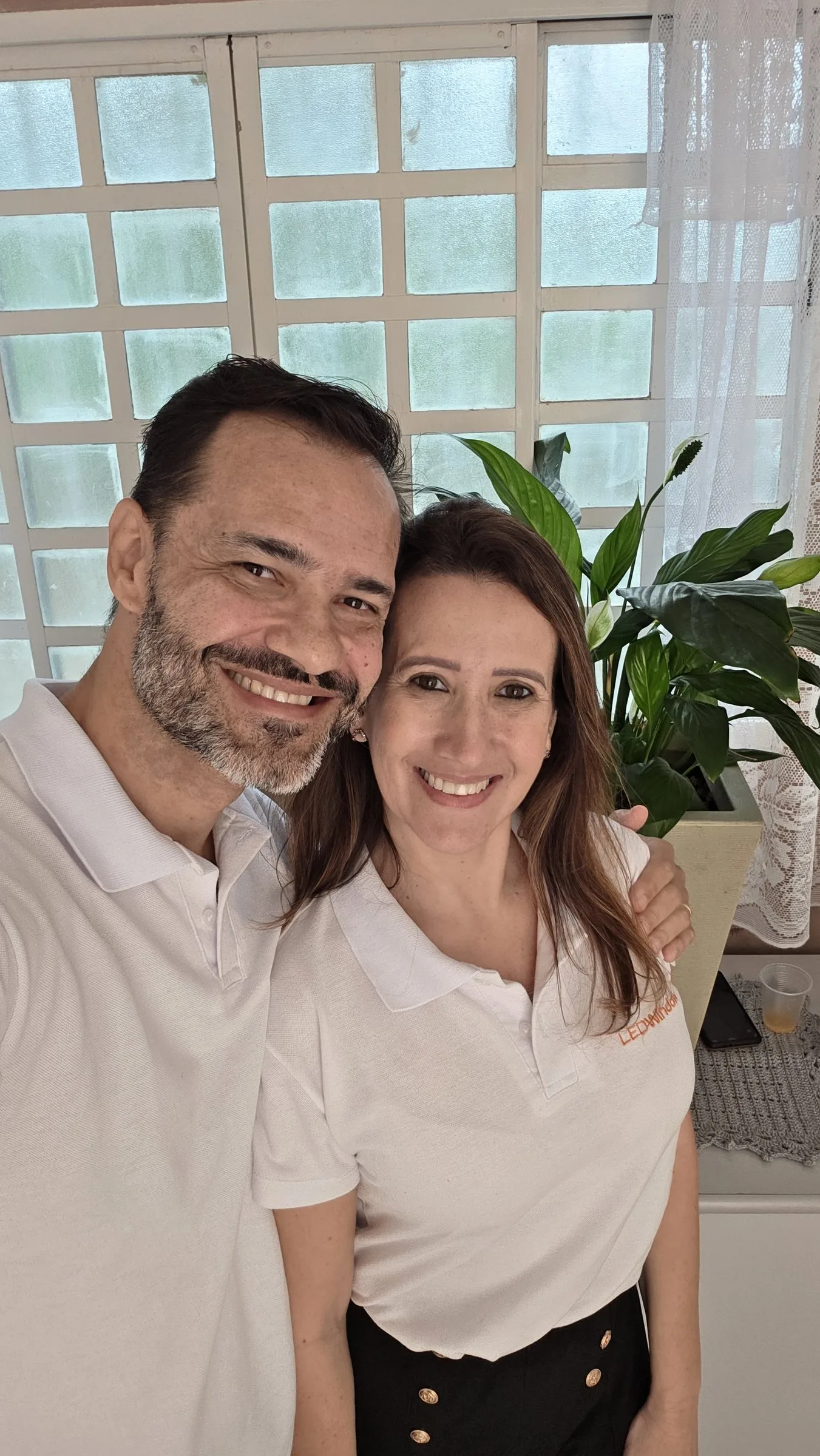
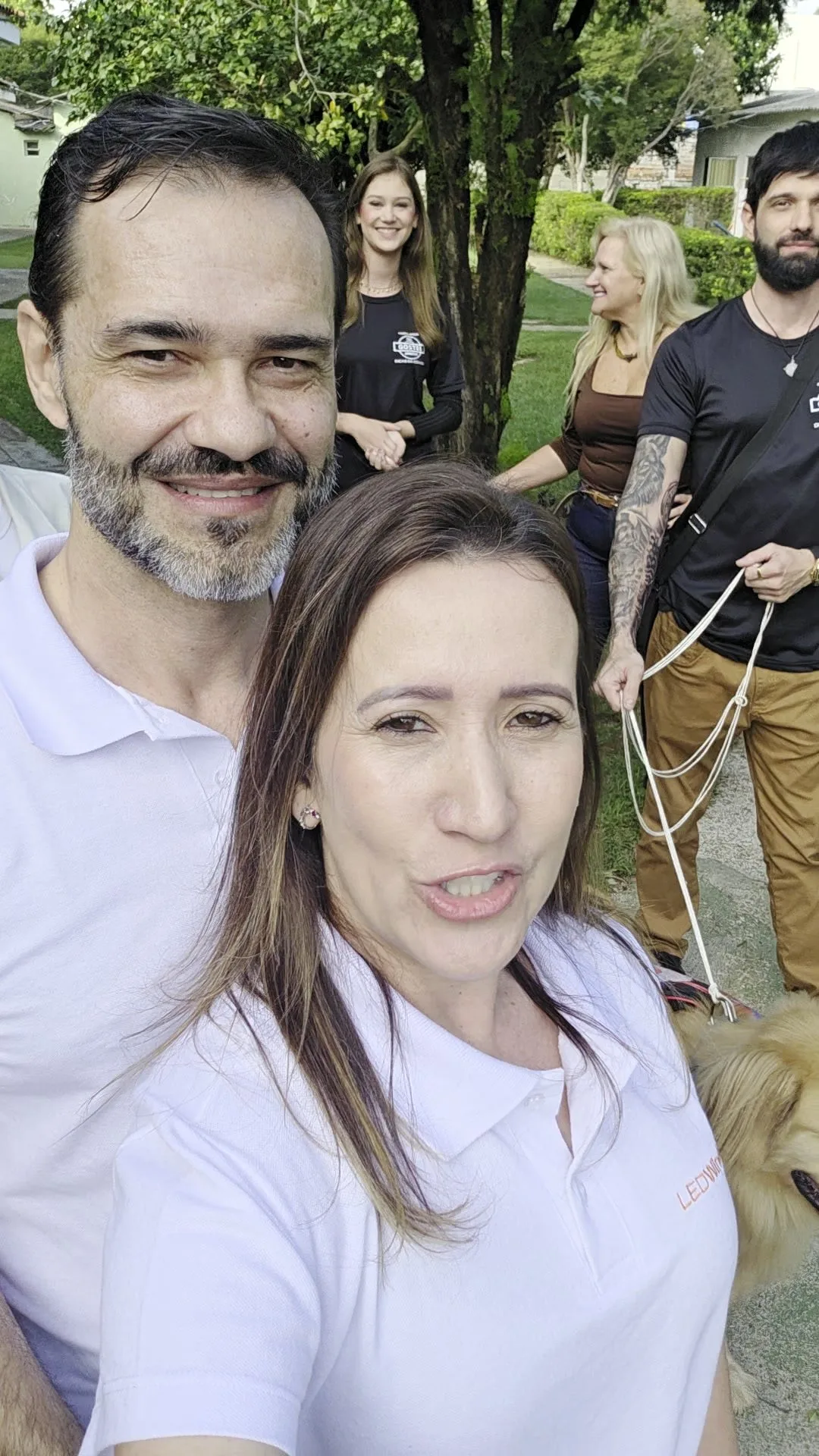
Welcoming Light began as a dream of Ana Lúcia, Head of Business and General Administration at LEDWindow. She used to work at the APAE of Itupeva, close to the mothers, the directors, the caregivers and the teachers. The idea: bring LEDWindow's window light there, along with the photography of Jeniffer Silvério, to record each person at their own pace, with no stiff posing.

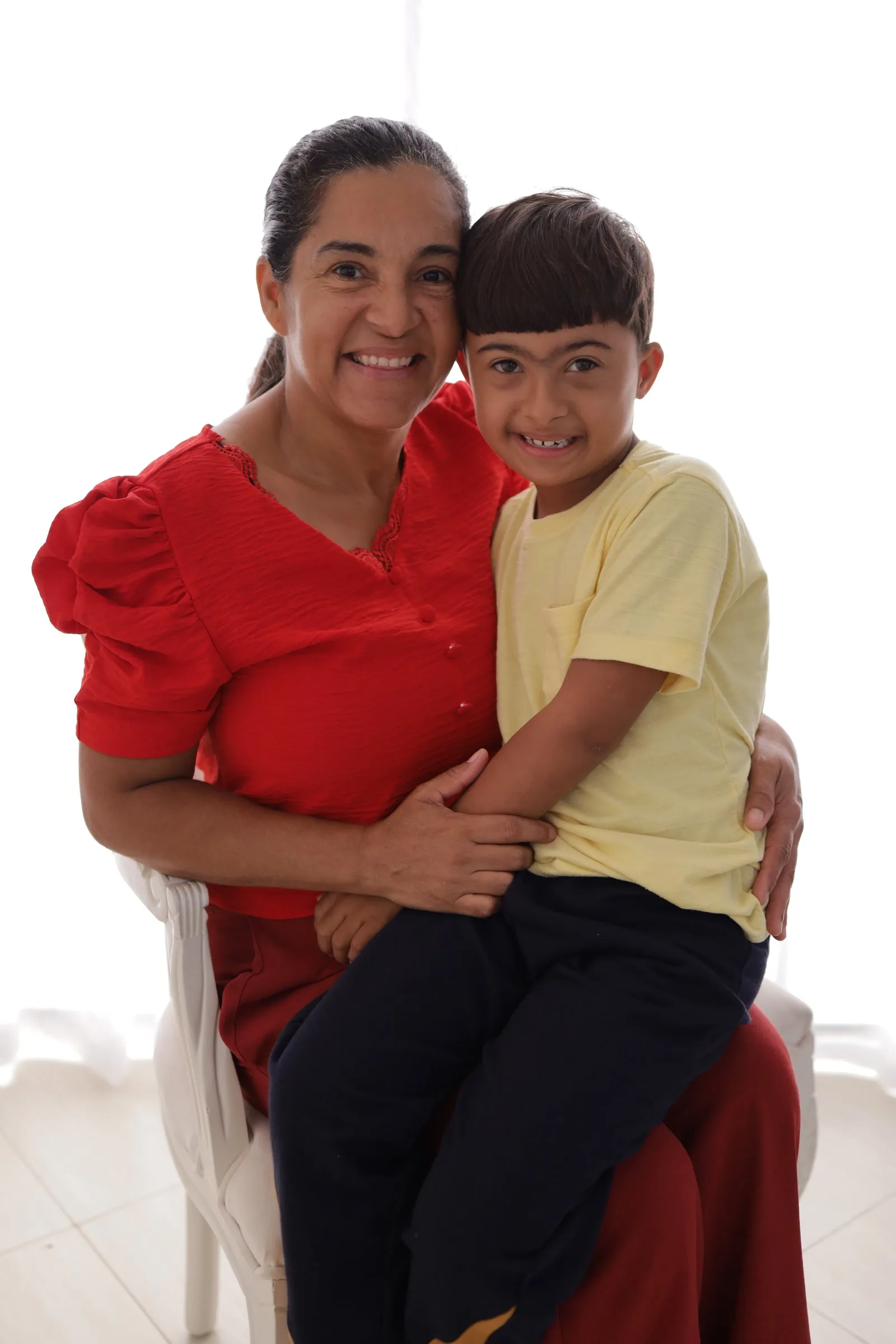
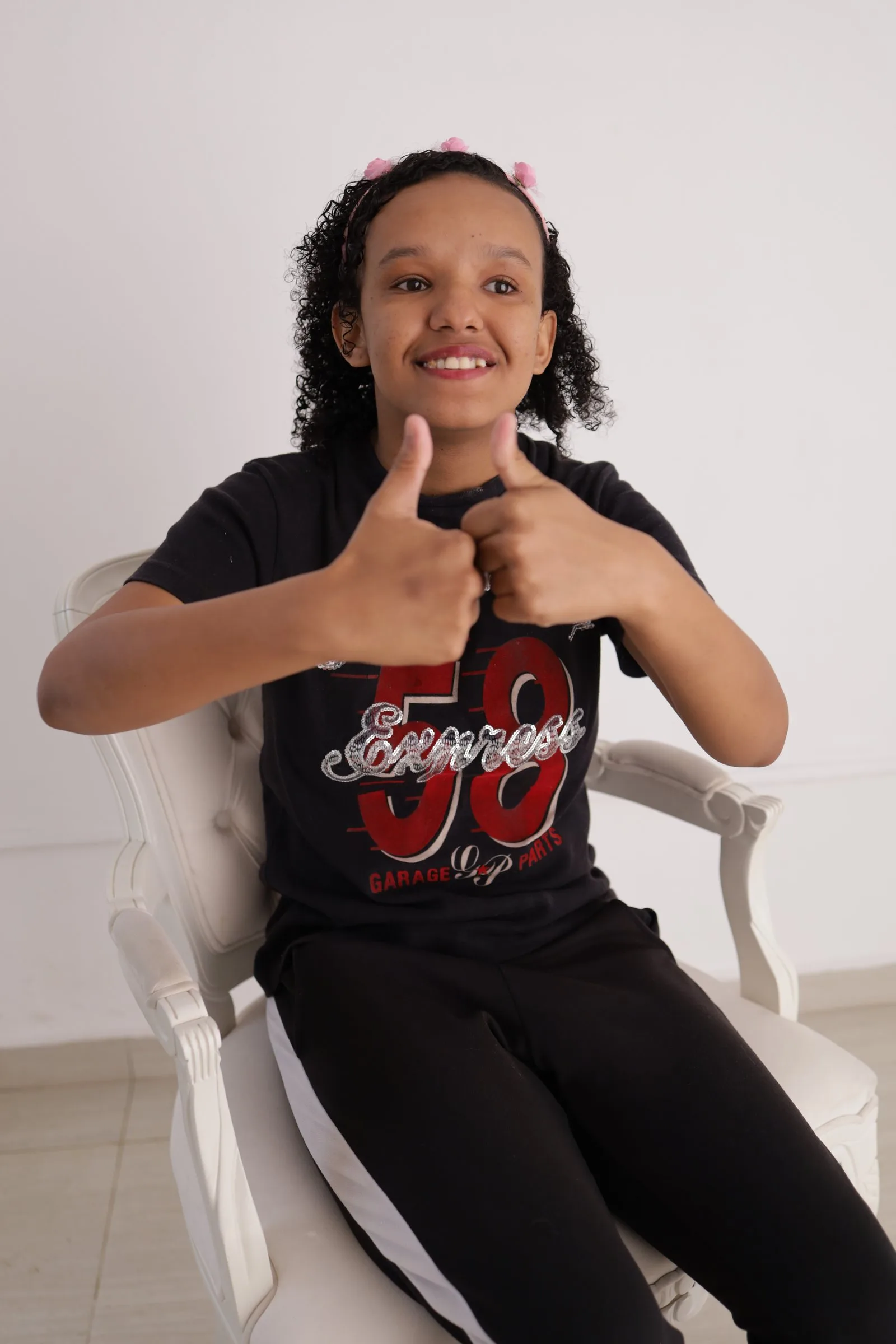
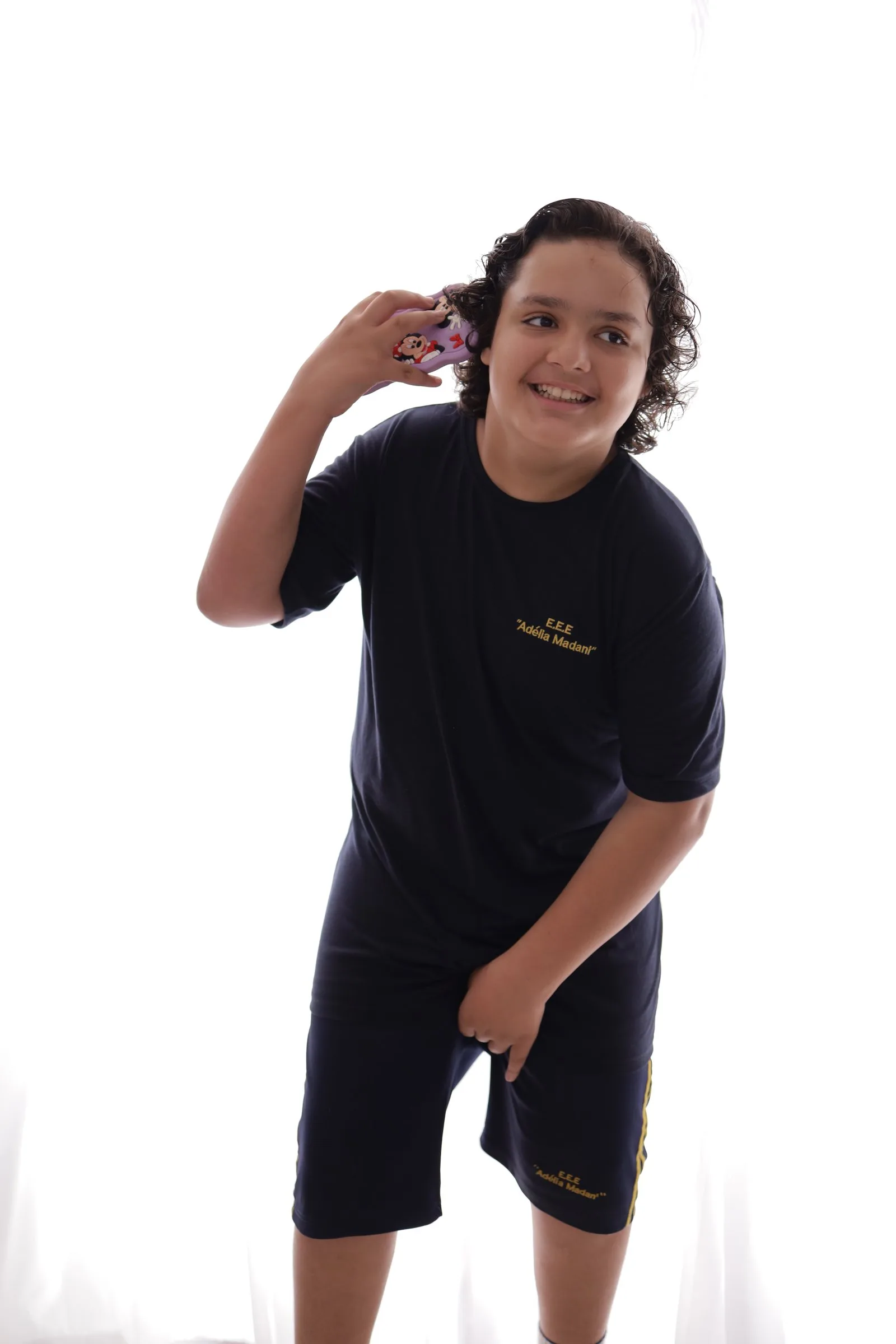
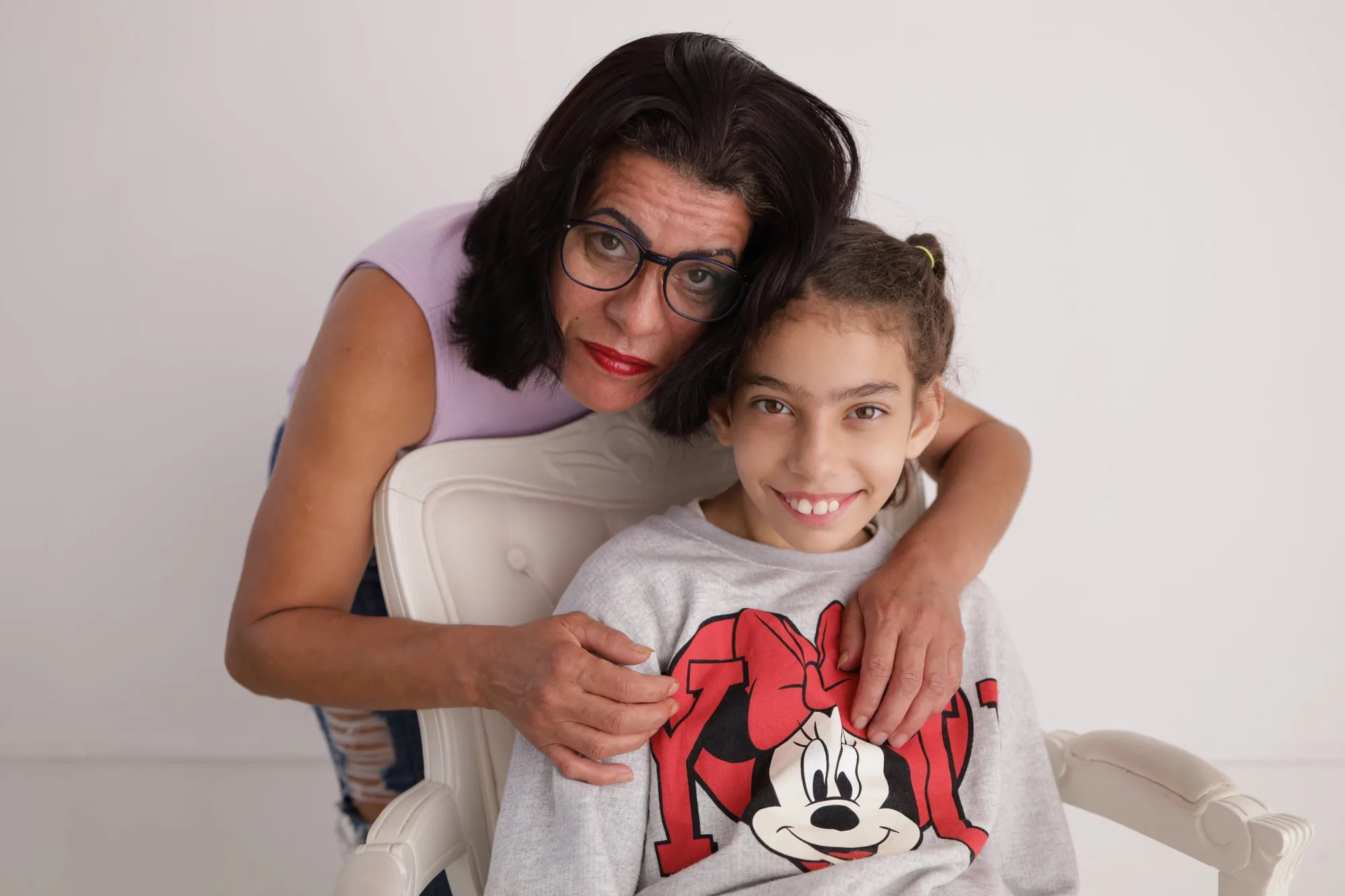
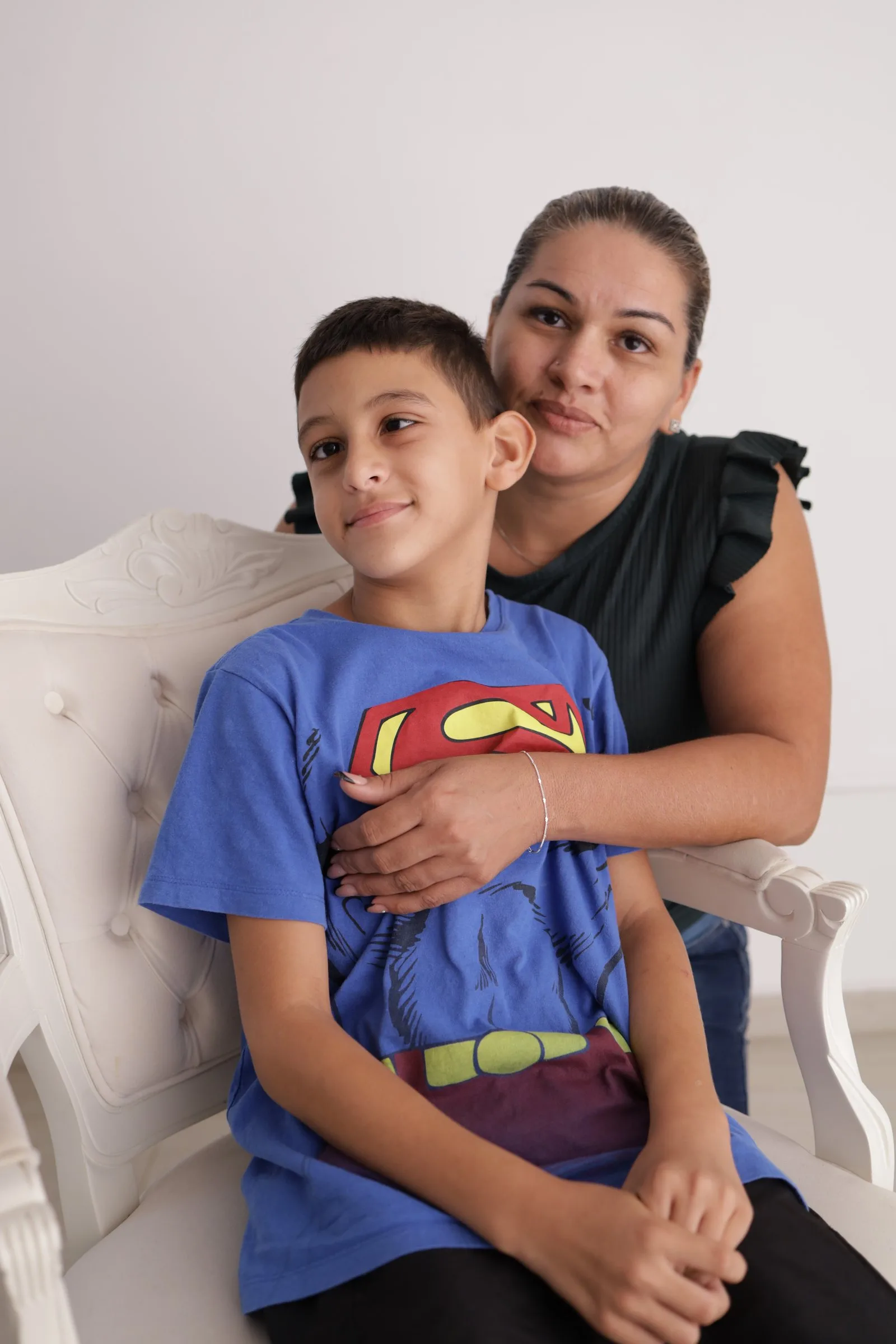
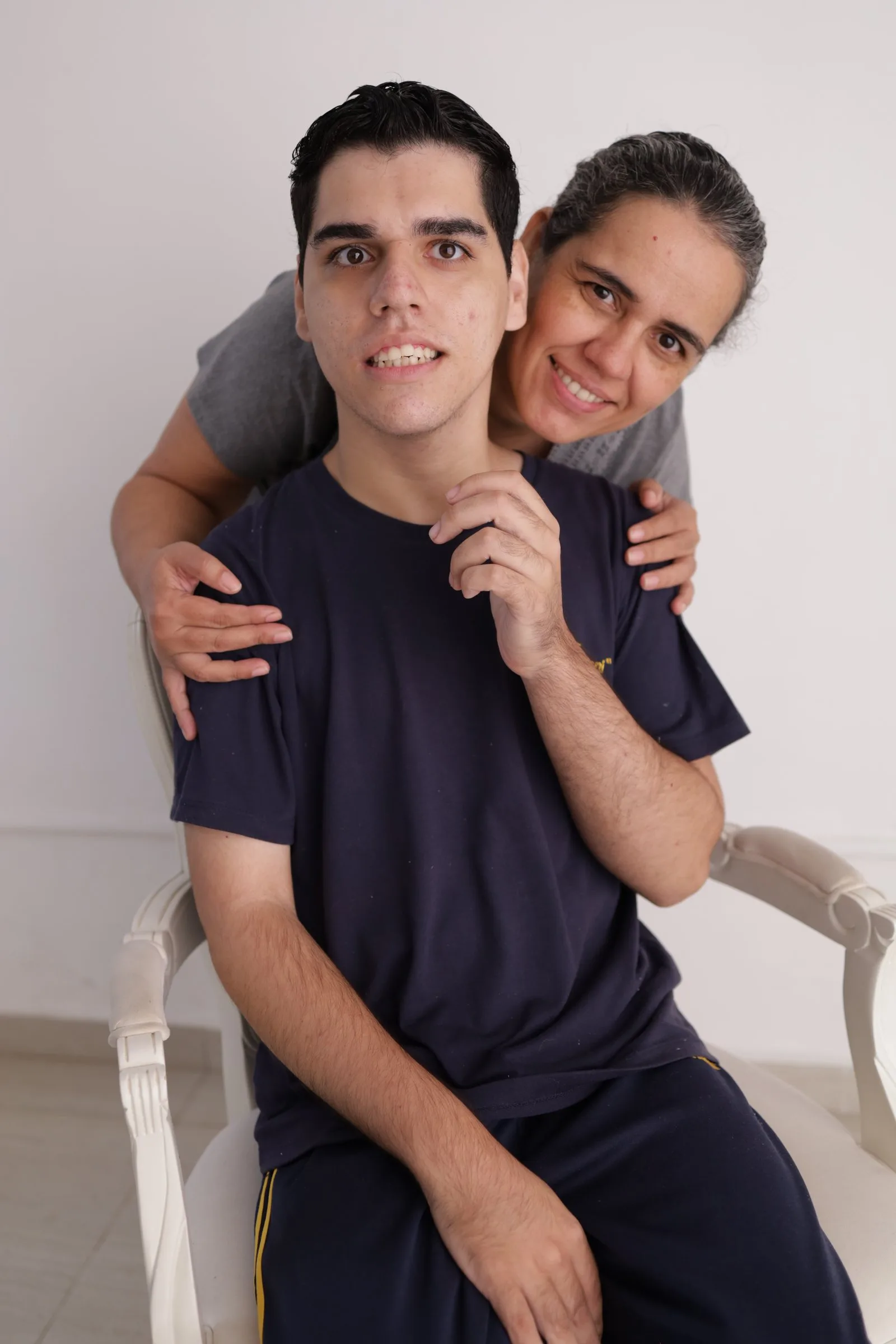
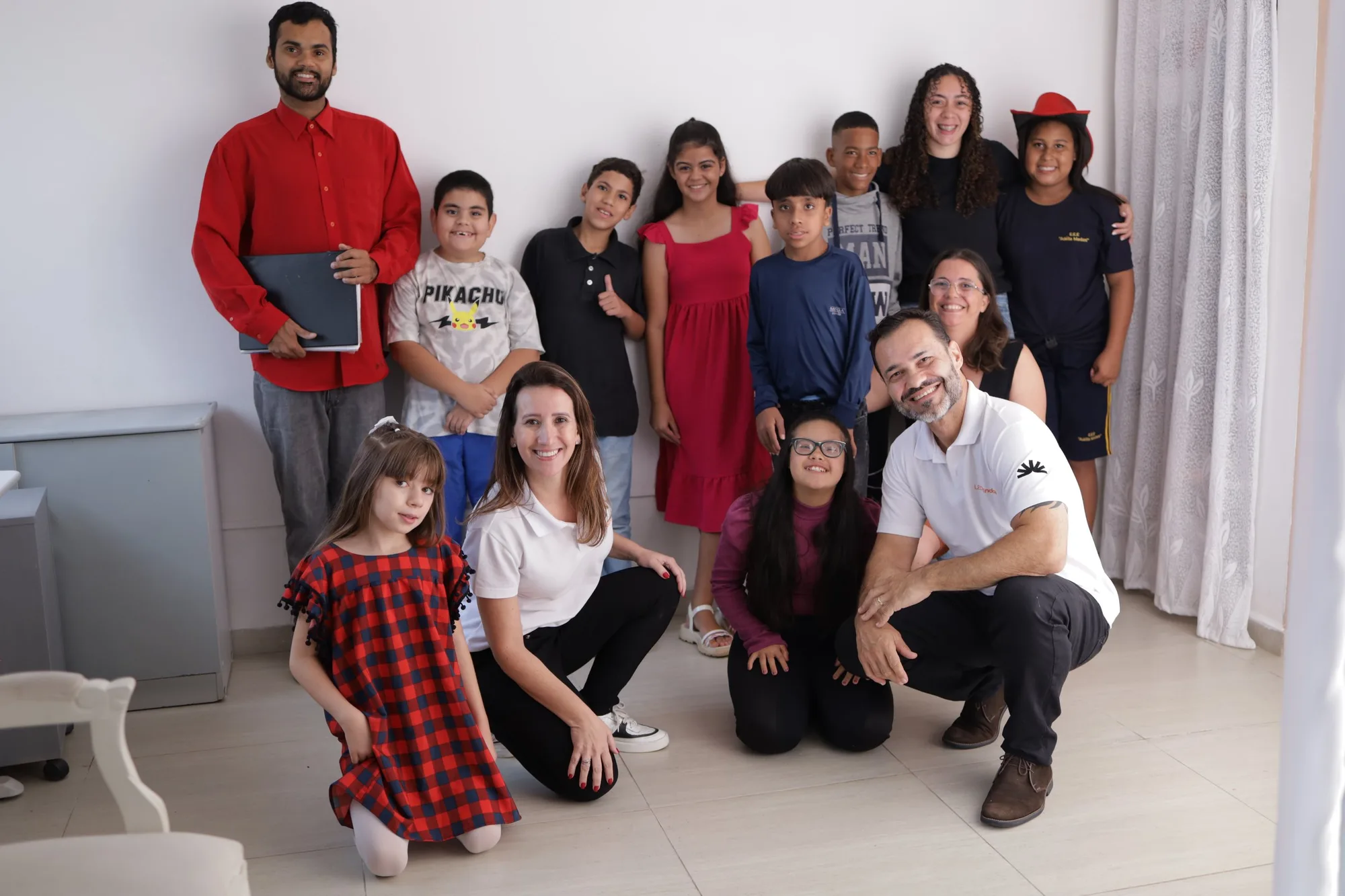
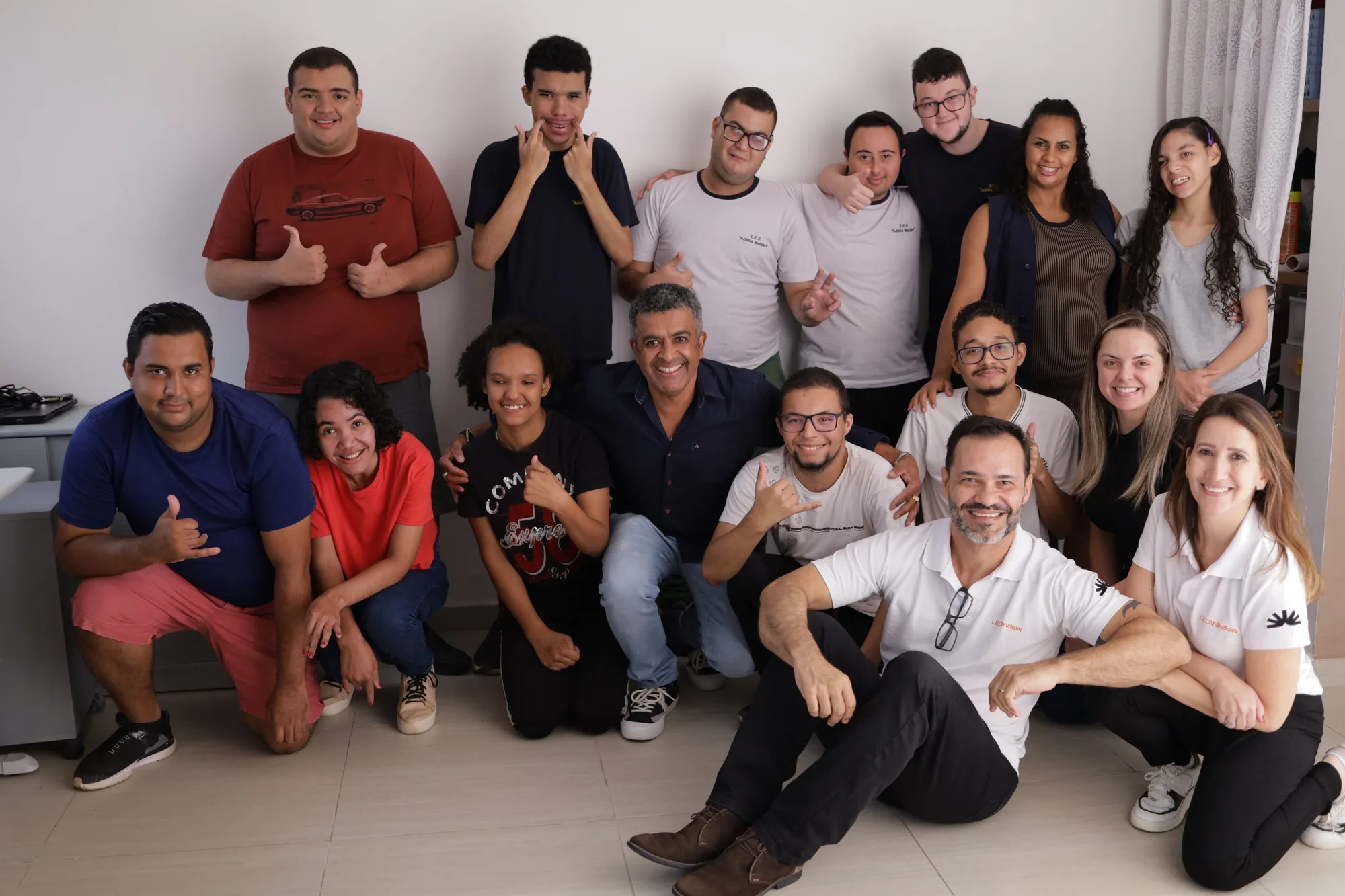
The agreement was simple: no posed pictures, each person at their own pace. Jeniffer chatted, stayed calm and waited. There were individual, family and group portraits, with the APAE team nearby. The people who spend their days with the students said it was a calm, easy day, full of good surprises.

What the experience taught us: welcome comes before the camera. Talk with the family, learn what each person likes and dislikes, never push. Light plays a supporting role: continuous, flash-free and with less equipment in the room, it lets the camera keep up with someone who never sits still. The rest is in the guide below.
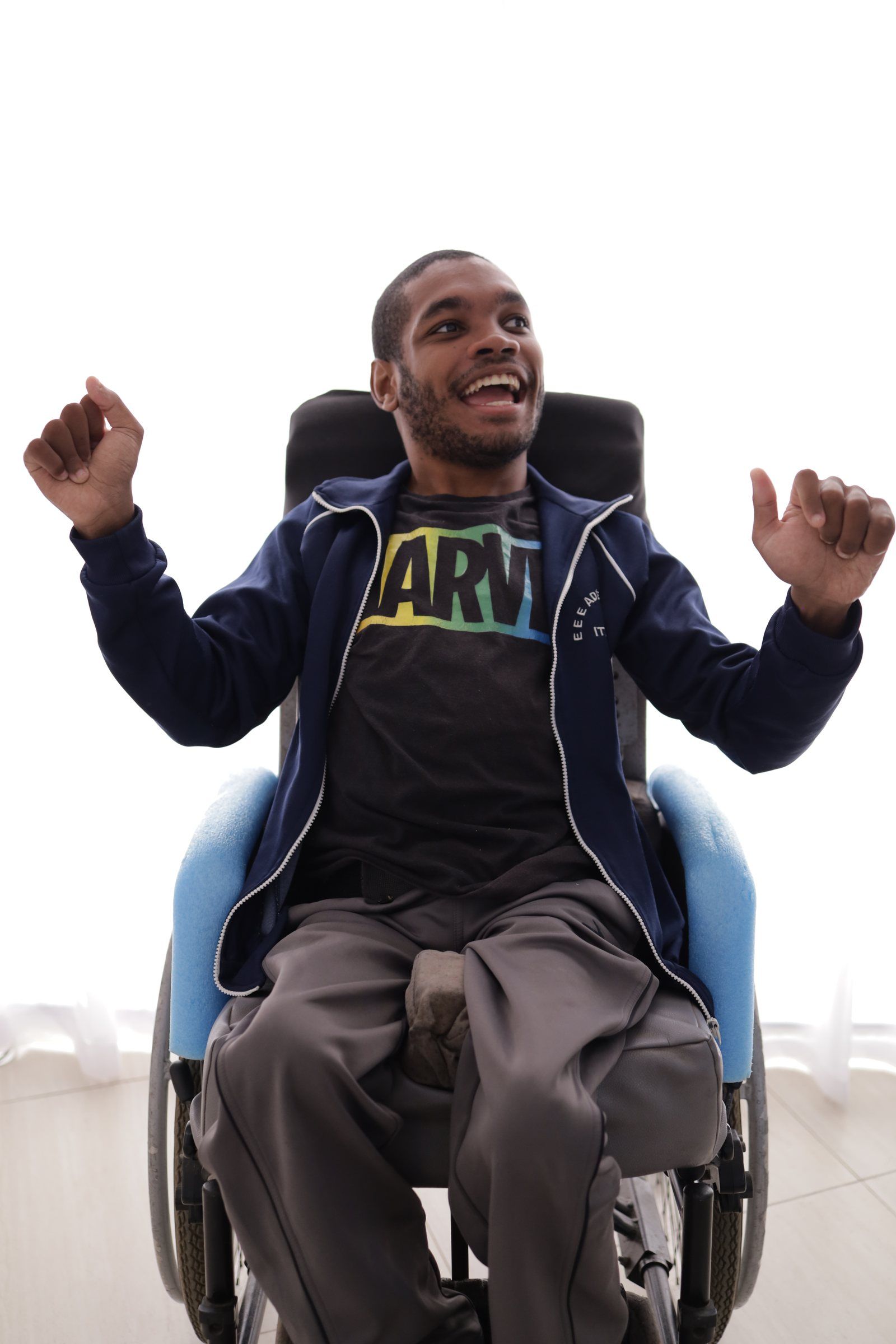
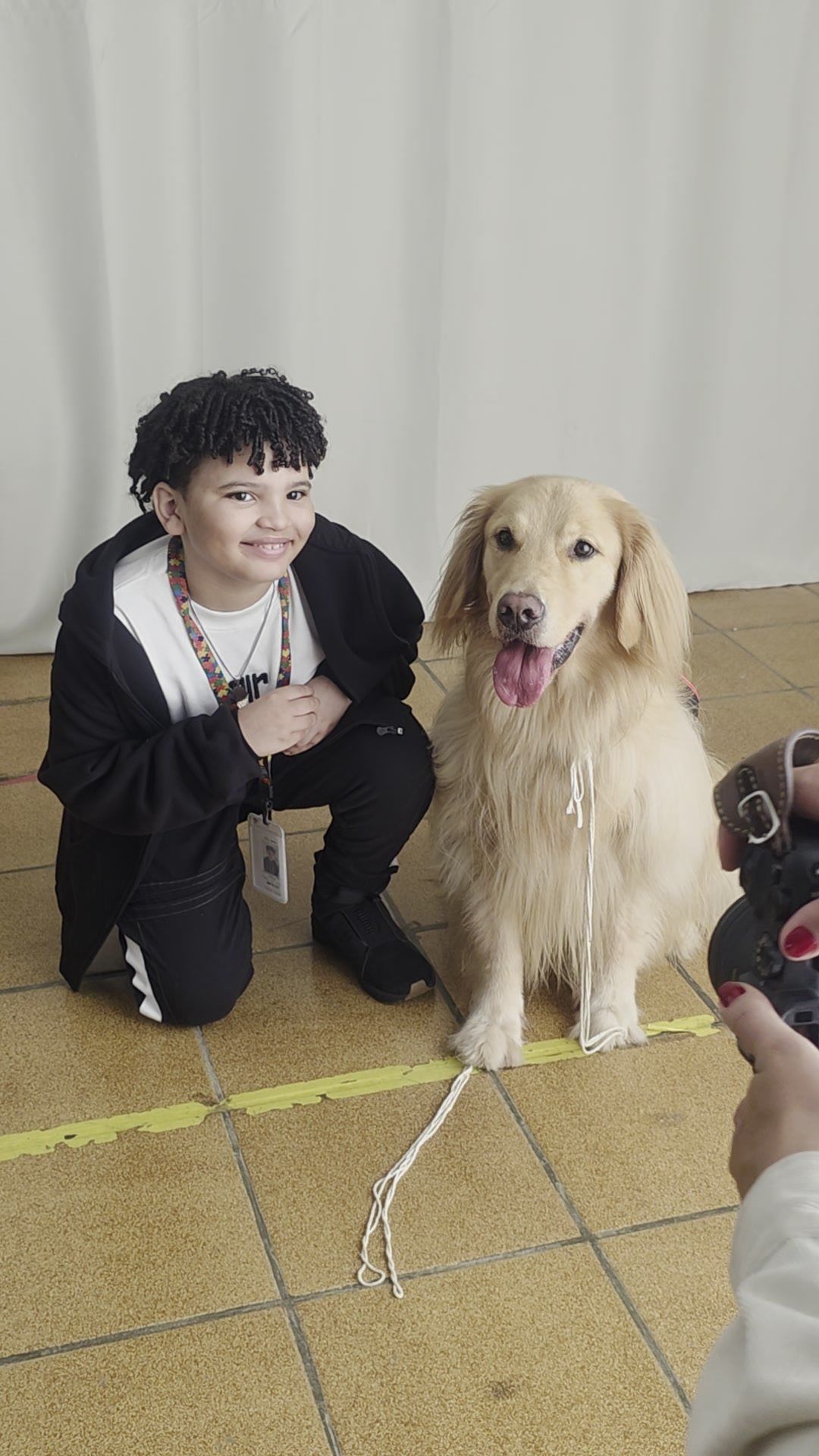
Photo with LEDWindow light · @estudio_lumie

March 11, 2026

Registro que vem de dentro

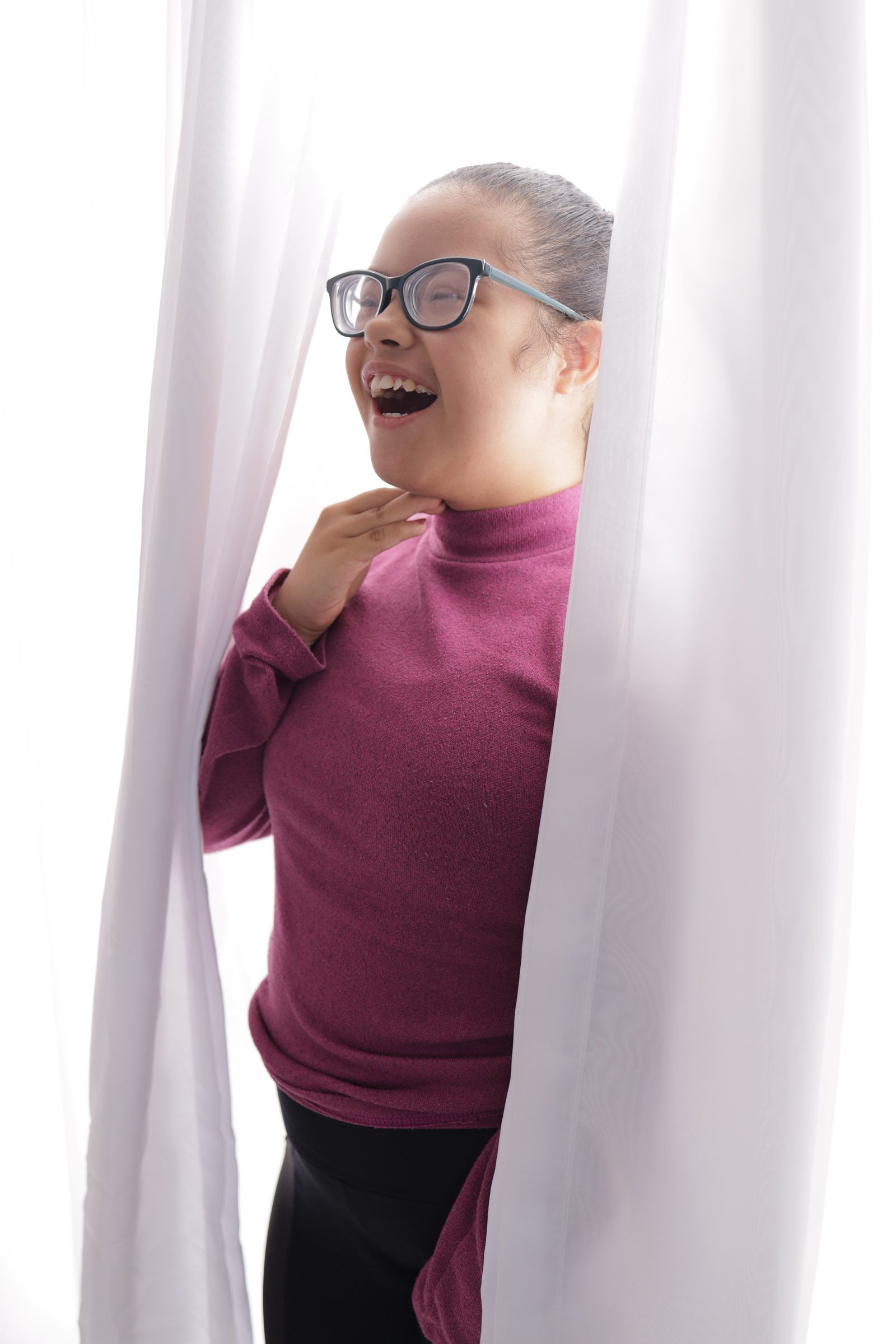
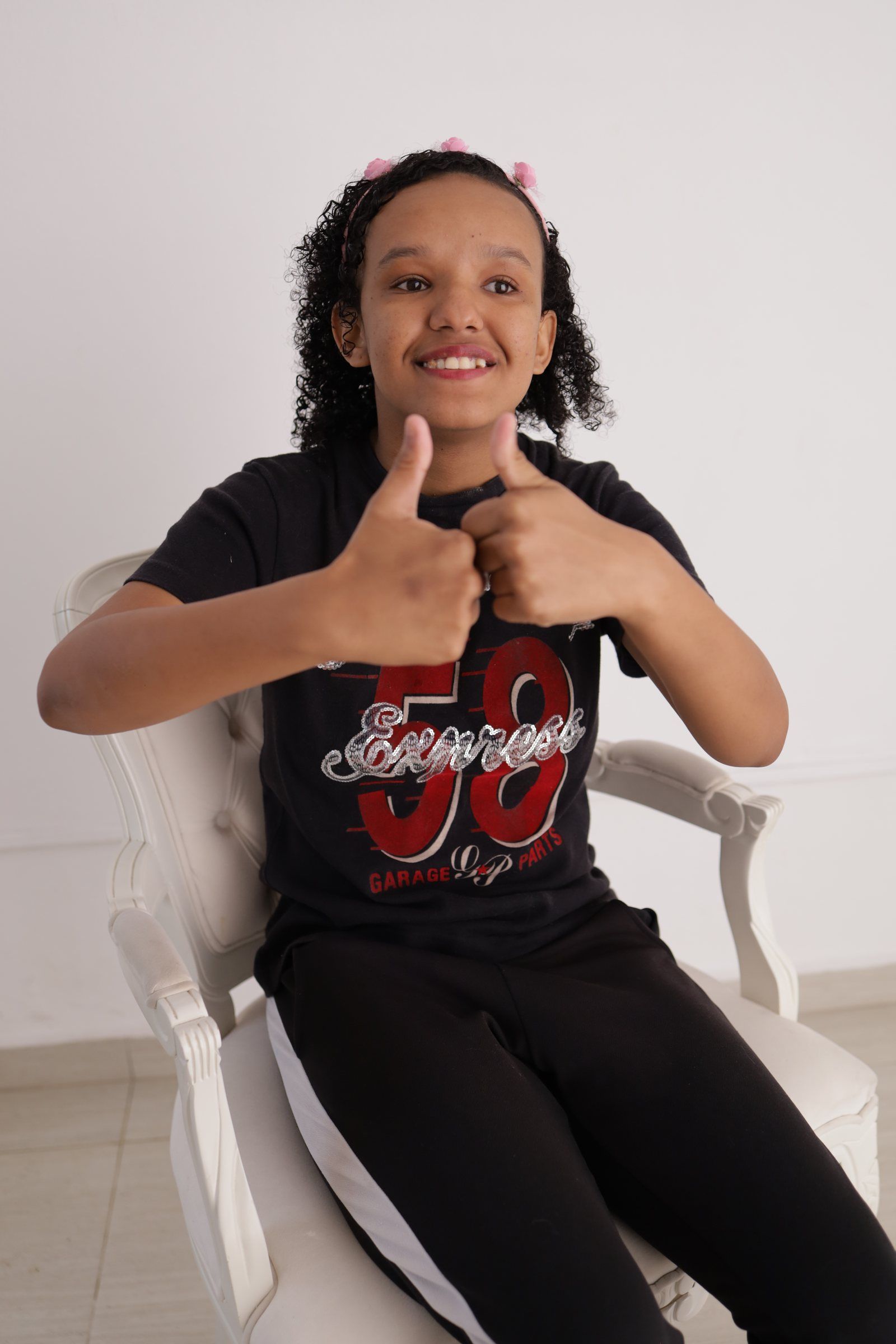
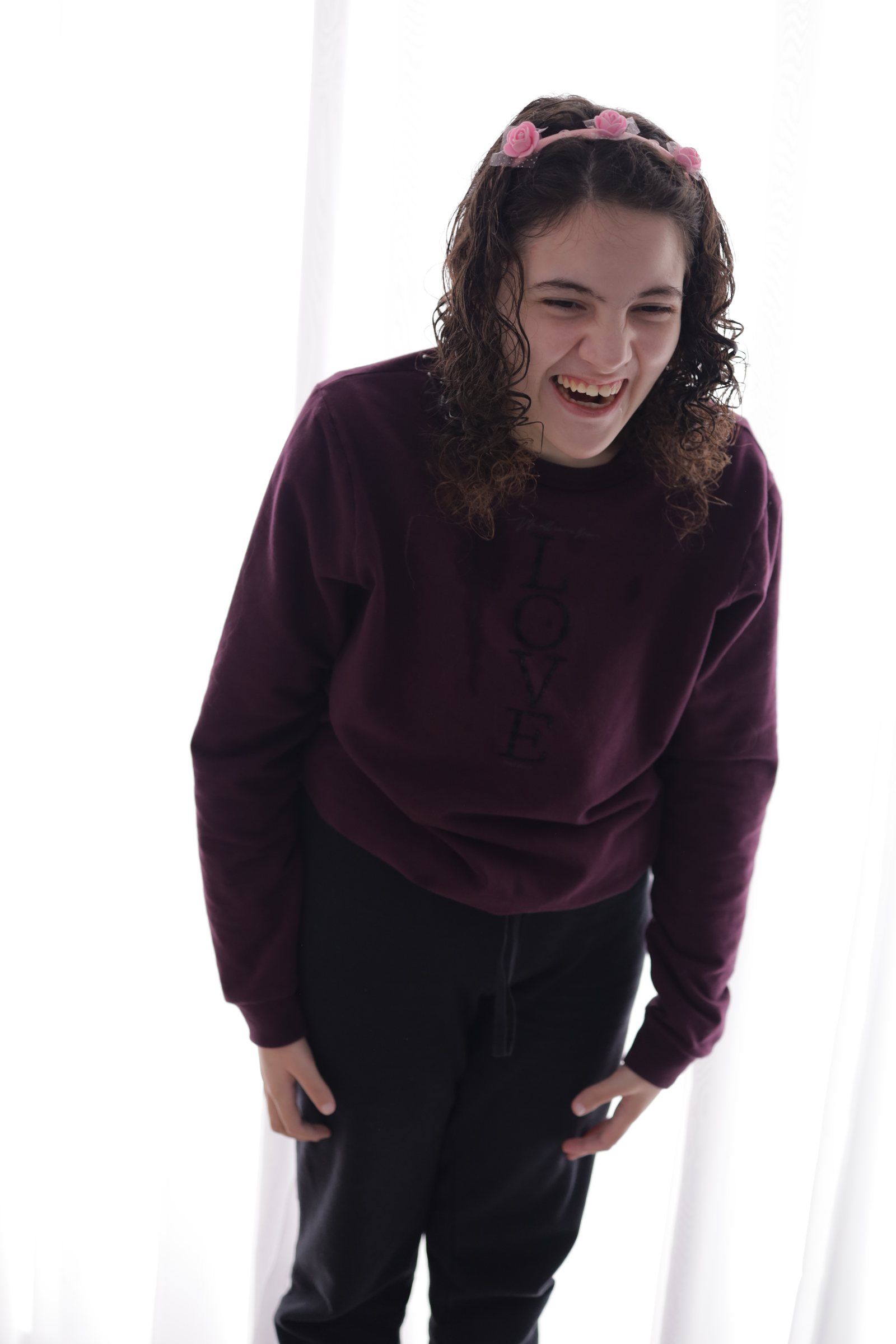
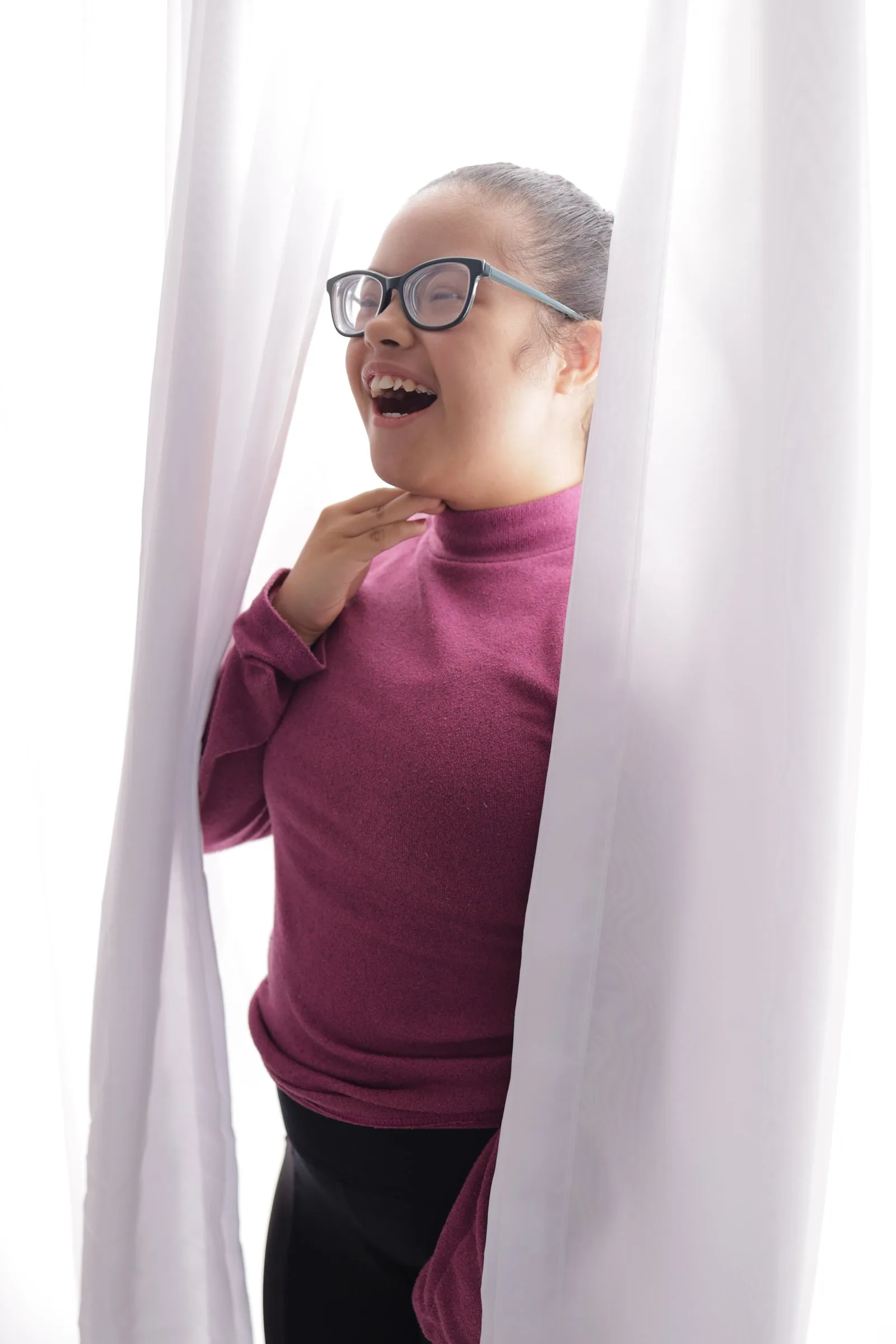
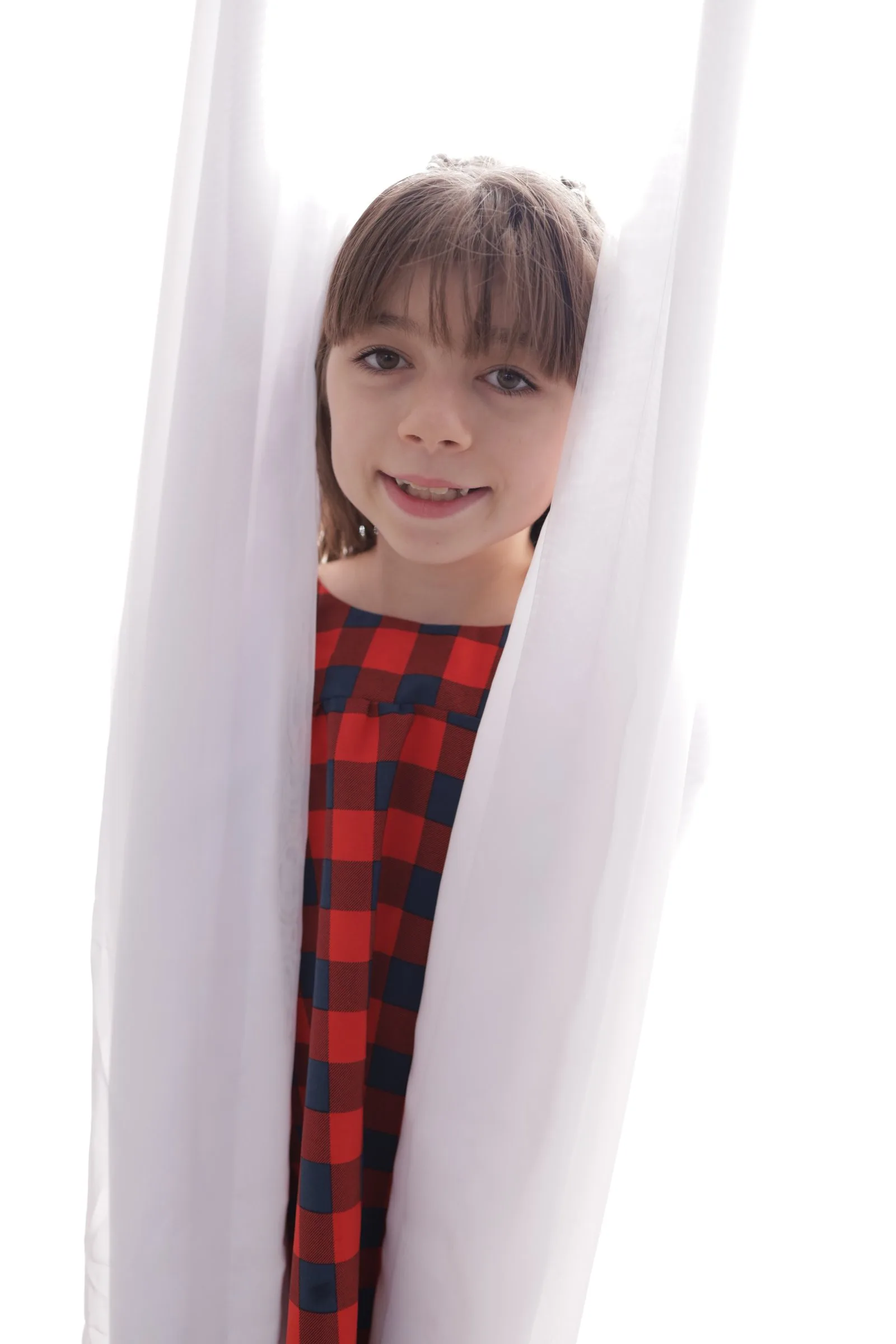
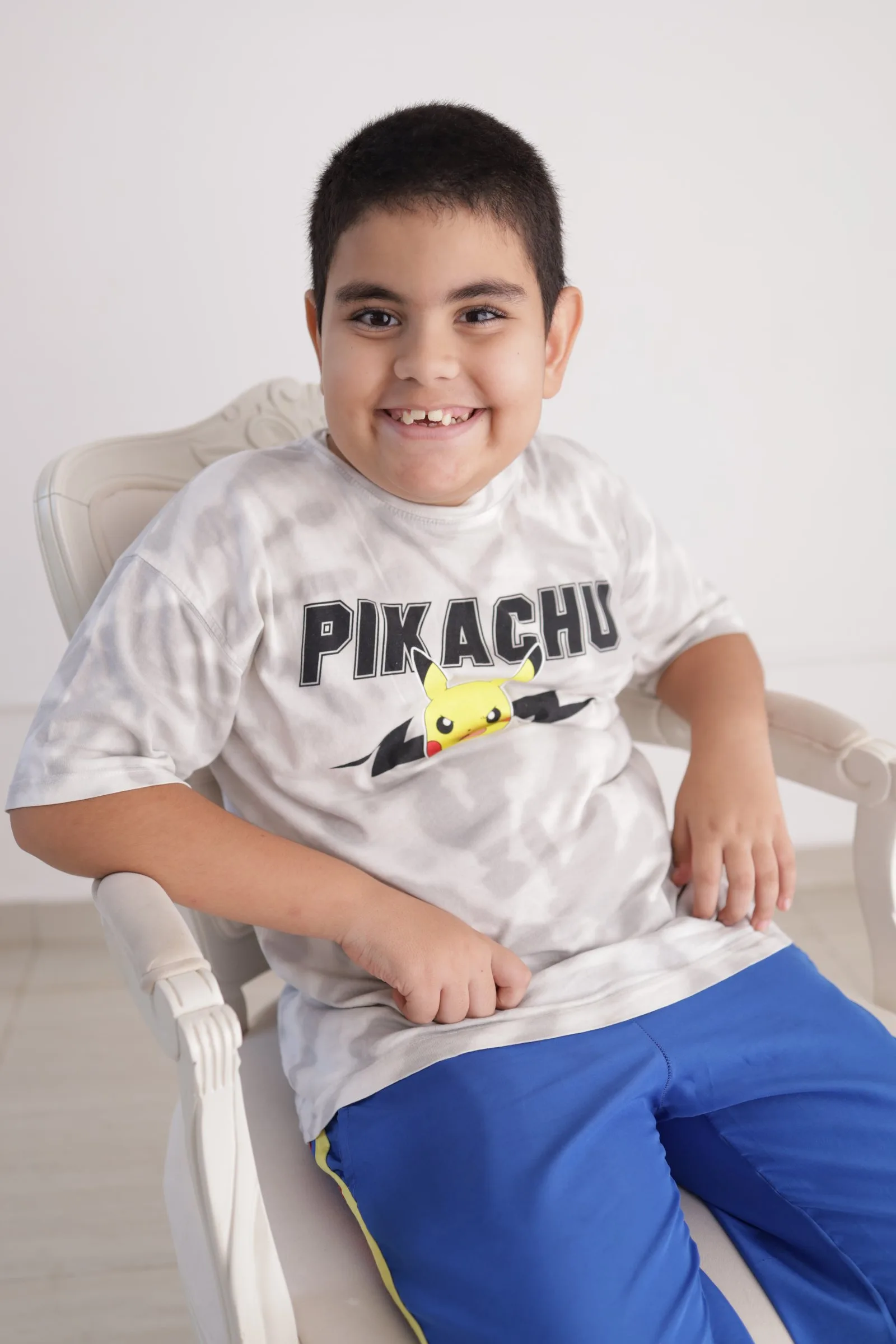
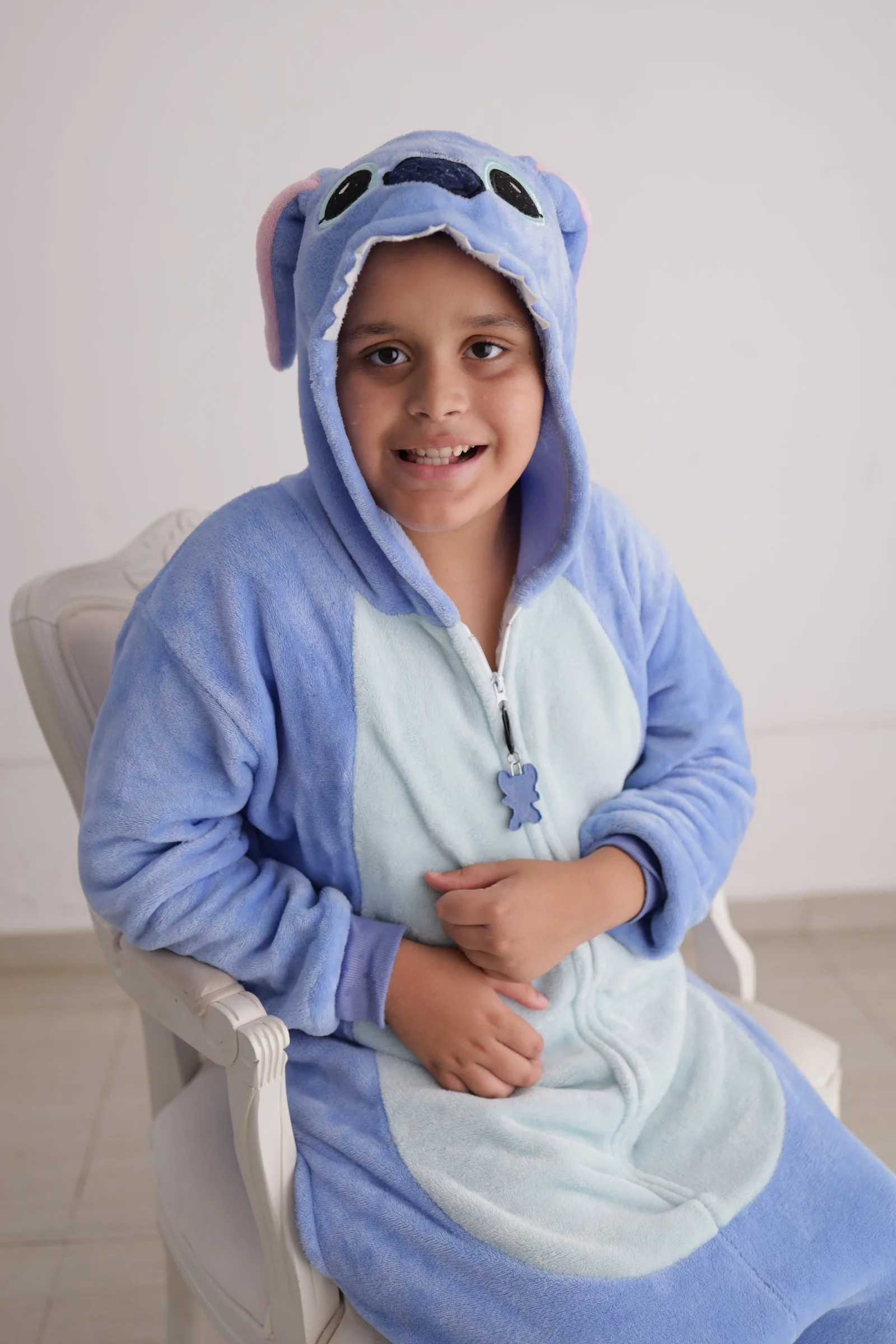
The first day, in Itupeva, carried the campaign name: the picture that comes from within. Individual, family and group portraits, with a white backdrop, a voile curtain and the LED window. The day's archive: 484 photos, all without flash, by volunteer Jeniffer Silvério.

Photo with LEDWindow light

May 27, 2026

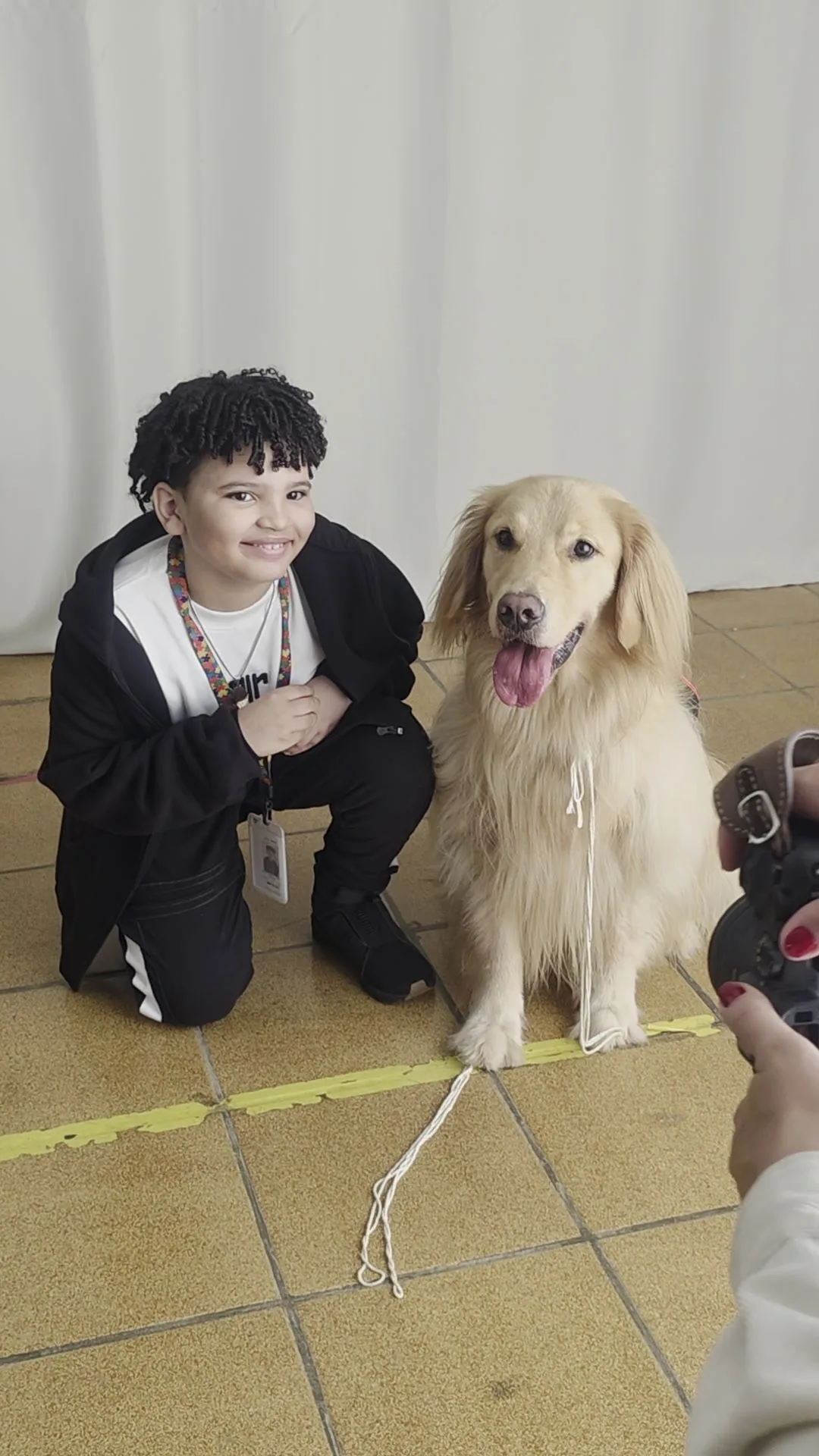
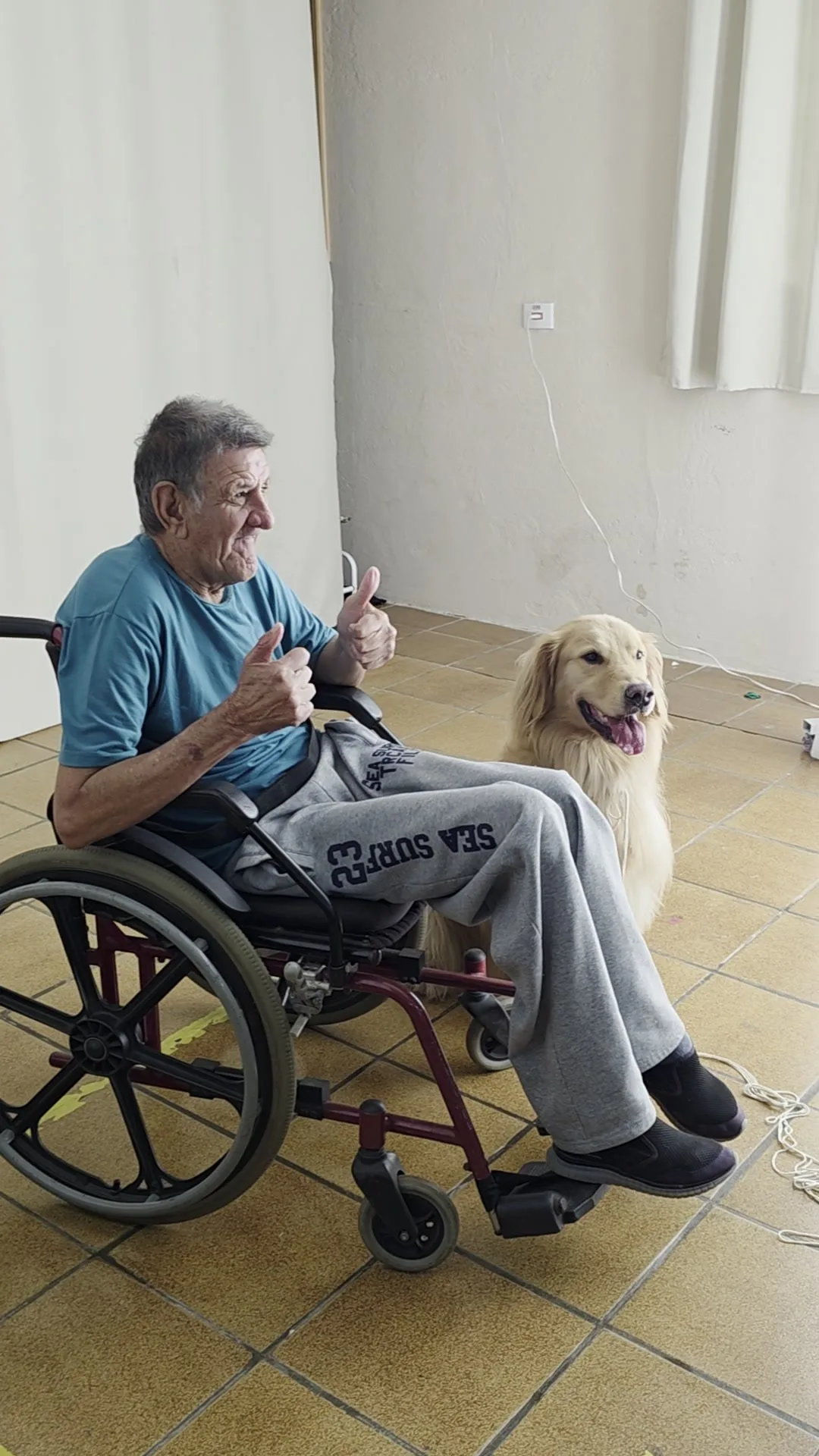
A 28th birthday in Cabreúva

The APAE of Cabreúva turned 28 and welcomed us to the party. Jeniffer came back as a volunteer, and Shake, the golden retriever from the page Gostei de Jundiaí, posed with the kids.

What neurodivergence means

Understand before you photograph

A social term, not a diagnosis, for people whose brains work differently from what is expected, such as autistic people or people with ADHD. It differs from intellectual disability, though they can overlap.

Neurodiversity is a word from 1998, coined by sociologist Judy Singer. Neurodivergent is not a medical term and usually covers autism, ADHD, dyslexia and other conditions. APAEs mainly serve people with intellectual and multiple disabilities, and many units also serve autistic people. These are different concepts that can overlap, and every person is unique.

Sensory differences are common in autism: the DSM-5 lists hyper- or hyporeactivity to sensory input among its criteria, and 74% of 25,627 autistic children in the CDC's monitoring network had them on record. Bright light, unexpected noise and surprise touch are among the reported triggers. Sensitivity varies from person to person. So the rule is to ask, observe and adapt.

Neurodivergence

A social term, not a diagnosis, for neurological functioning that differs from the expected. Often includes autism, ADHD and dyslexia; categories can overlap.

Autism

Brazilian law treats autistic people as people with disabilities. The support each person needs varies widely, and sensory differences are common.

Intellectual disability

Significant limits in intellectual functioning and adaptive behavior, with onset before age 22. It is the main focus of the APAEs.

Multiple disability

The association of two or more disabilities, according to Brazilian Decree 3,298/1999. Also among the people the APAEs serve.

Words that welcome

SayPerson with a disability

AvoidHandicapped, special needs

SayAutistic person or person with autism; when in doubt, ask

AvoidSuffers from autism, afflicted with autism

SayPerson without a disability

AvoidNormal person

SayTalk about what the person likes and does

AvoidOvercame the disability, superhero

Practical guide in 3 phases

How to photograph with care

General guidance from our time at the APAEs and from public sources, for photographing autistic and neurodivergent children, teens and adults, and people with disabilities. Not therapy: just good welcoming practice.

01

Before the session

  1. Talk with the family

    Ask what calms, what bothers, how the person communicates and how they prefer to be addressed. Learn their triggers and favorites, and whether there is a comfort object.

  2. Show and prepare the space

    Send studio photos or arrange a visit, and explain the sequence. On the day, keep few people in the room, no flash, and learn the room's sounds to reduce noise.

  3. Get the camera ready

    Prefer a silent shutter, if your camera has one, and burst shooting. In Itupeva, Jeniffer used 1/250 s on every photo, with ISO 500 to 800 on most.

  4. Agree on image consent

    Ask the guardians for a signed image-release form before you start, and agree on how the photos will be delivered and used.

02

During the session

  1. Low light, rising slowly

    Start with the light already on and at low intensity, and raise it slowly. Warn before changing anything: light, position or camera.

  2. Follow the person's pace

    Keep sessions short, with breaks, and let the person get to know the space and the light. No rush: in Itupeva, some kids came back several times for more photos.

  3. Never force pose or gaze

    Do not force eye contact, touch or posing. Ask permission before adjusting clothes or posture. If the person does not want to be photographed, respect that.

  4. Photograph what they love

    Singing, peeking through the curtain, holding a favorite object: capture what the person already does and loves, without stopping harmless repetitive movements. Caregivers can stay nearby.

03

After the session

  1. Wind down calmly

    Let the session end without rushing. Afterward the person may need time to decompress: keep the space calm and thank them and the family.

  2. Celebrate with the family

    Show the photos to the family first and highlight moments where the person shows up as they are. For many APAE families, professional photos are rare: the keepsake matters.

  3. Deliver with care

    Choose carefully: keep only photos where the person looks at ease, and deliver in a format the family can keep and share.

  4. Publish with permission

    Use the image only as authorized. No name and no diagnosis, unless the person or guardians agree otherwise. When in doubt, do not publish.

Photo with LEDWindow light · @estudio_lumie

Why LEDWindow

A light that is already on

Light plays a small part next to the glow inside each person, as Glauber said in Itupeva. But it is a real part: reducing abrupt stimuli. Every person is unique, and the session adapts.

  • Continuous light, no flash

    No abrupt burst: the light is already on when the person walks in. In Itupeva, 484 of 484 photos were taken without flash.

  • See the light first

    The light is in view before the first photo, which makes it easier to say what is about to happen, as guides advise.

  • Adjustable intensity

    The dimmer sets the brightness like a real window: start low and raise it gradually, at the person's pace.

  • Cool light, faithful color

    No frontal heat: the light is cool to the touch. With CRI 98 and 4000K, skin and clothes come out the color the family saw.

  • No waiting to recharge

    With no flash to recharge, the camera keeps up with whoever moves a lot. Jeniffer says those moments would be far harder with flash.

Our partner

Every photo has Jeniffer's eye

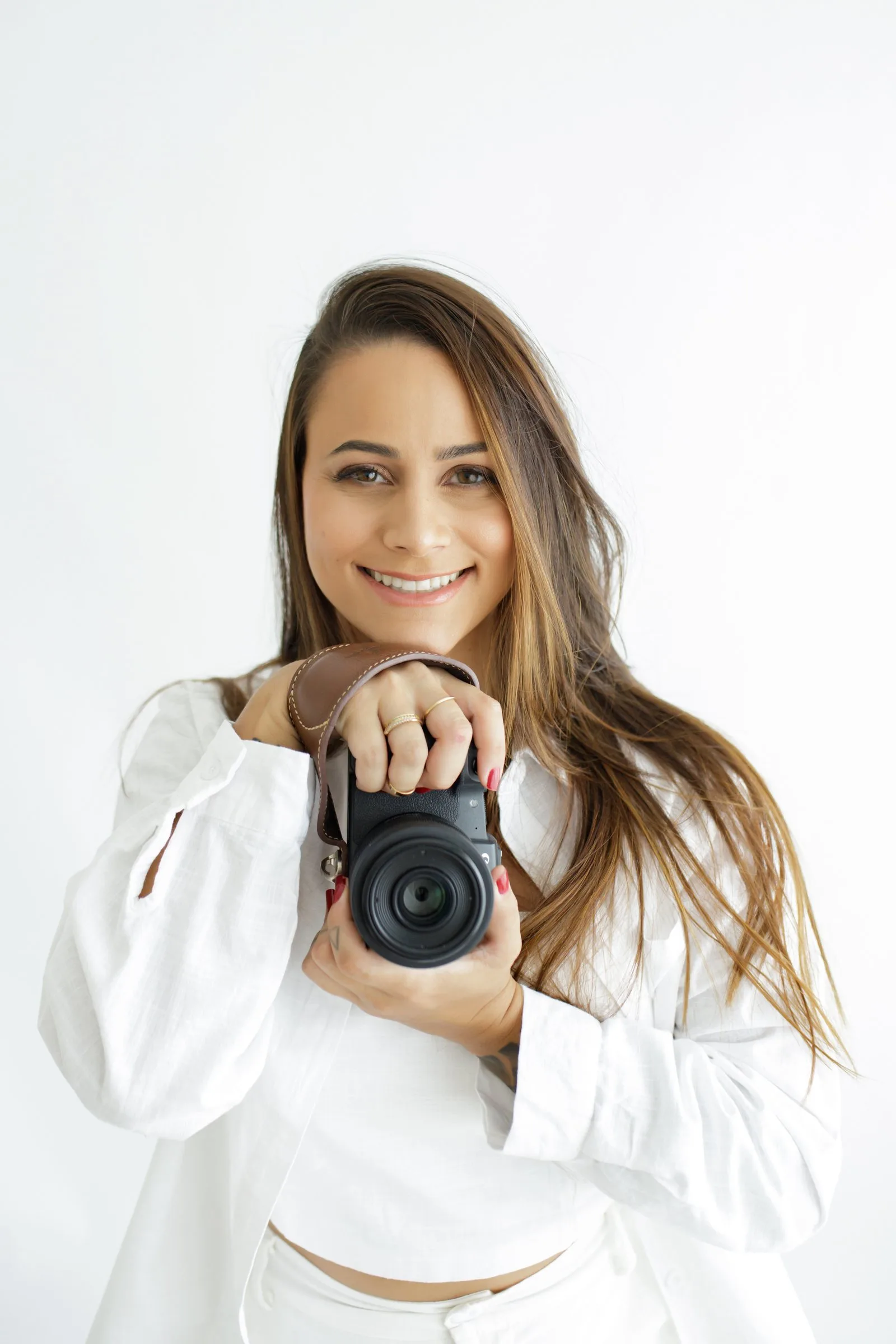
Jeniffer Silvério is a photographer specializing in babies and families in Jundiaí, Brazil, and her studio, Lumiê, respects each baby's own pace. She brought that care to the APAEs as a volunteer: conversation, calm and the shutter at the right moment. When LEDWindow invited her, she did not think twice.

Meet @estudio_lumie
Photo with LEDWindow light · @estudio_lumie

The door stays open

If you represent an institution or you are a photographer, and you want to bring Welcoming Light to other places, let's talk about how to do it together.

Talk to us about the project

Newsletter

Free articles and e-books, straight to your inbox

You get only two kinds of email: new articles from the LEDWindow blog and free e-books from LEDWindow Books. No spam, and you can leave the list whenever you like.